Our Location
304 North Cardinal St.
Dorchester Center, MA 02124

A Mason jar is a kitchen hero, until it explodes in your freezer. We’re diving into the "Shoulder" of the jar—the tiny design detail that determines if your soup stays safe or turns into a glass-filled disaster.
We’ve all been there. You’ve made a huge batch of delicious homemade soup or a fresh summer pesto. You pour it into a beautiful Mason jar, leave a little space at the top, and pop it into the freezer. You feel like a meal-prep genius.
Then, the next morning, you open the freezer and find a disaster. The glass has shattered. There are shards in your soup. Your “genius” moment just turned into a dangerous mess.
At XUZHOU TROY, we get emails from heartbroken buyers asking, “Why did my high-quality glass break? Is the jar defective?”
The answer is usually hidden in the shape of the jar. Specifically, it’s about The Shoulder.
Here is the simple physics that a lot of cheap factories don’t explain: Water expands when it freezes.
When liquid turns into ice, it needs somewhere to go. It expands upward.
In the B2B world, many buyers see a “standard” Mason jar and assume it can do everything. But for a pro, there are actually two very different types of jars:
How do you know if a jar is safe for your customers to freeze? Look for the Freeze Fill Line.
Take a sample jar and look at the glass near the top.
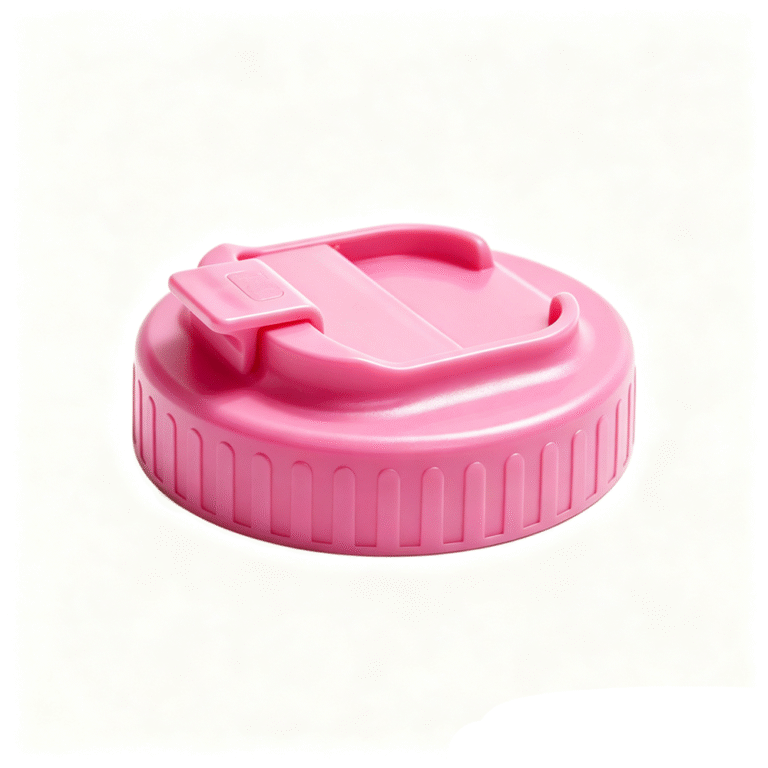
As a company that specializes in Mason jar closures, we also know that the lid plays a part. If you’re freezing, we always recommend our BPA-Free Plastic Storage Lids over traditional metal ones. Why? Because plastic has a tiny bit of “flex.” If the ice expands just a little too much, the plastic lid will give way before the glass does.
In the world of Mason jars, “One Size Fits All” is a lie. If you’re a buyer sourcing for a kitchenware brand, you need to know if your customers are “Canners” or “Freezers.”
Tired of “Mystery Cracks” and unhappy customers? We hear you. At XUZHOU TROY, we don’t just sell you a jar; we make sure you’re getting the right shape for the job. Let’s get you some samples that actually survive the Big Freeze.