The Science of the Gap: Understanding Headspace and Overflow Capacity in Mason Jars

"Full to the brim" is a recipe for disaster in the canning world. We explore the physics of headspace—why liquids need room to expand, how the vacuum seal is actually formed, and why understanding overflow capacity is vital for industrial fillers.
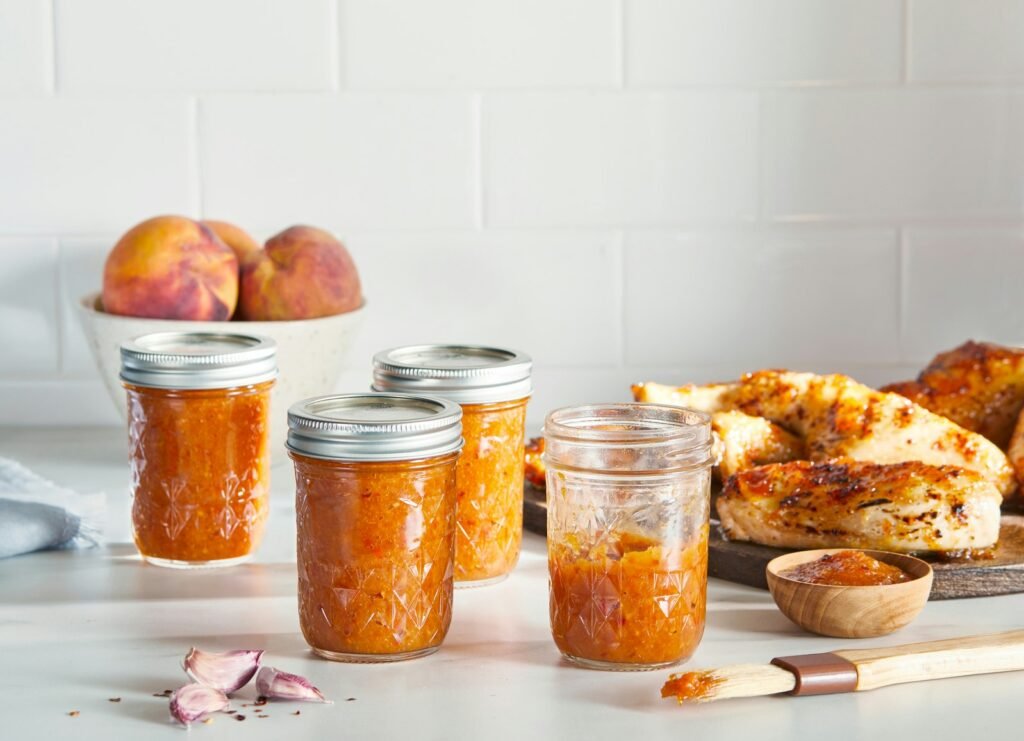
In the world of professional food packaging, “full” doesn’t actually mean “to the brim.” If you look closely at any successfully canned product, there is always a small gap between the surface of the food and the bottom of the lid. This is not a mistake or a way to save money—it is a critical engineering requirement known as Headspace.

At XUZHOU TROY, we design our Mason jars with a deep understanding of the relationship between Label Capacity (what the consumer buys) and Overflow Capacity (the true volume of the jar). Here is why that “empty space” is the most important part of your packaging strategy.

1. Thermal Expansion: Giving Your Product Room to Breathe

Whether you are hot-filling pasta sauce at 90°C or freezing a batch of organic broth, matter changes volume with temperature.

  • During Heating: Liquids and gases expand. If a jar is filled to the very top, the expanding contents will exert massive pressure against the lid and the glass walls. This often leads to “buckling” (the lid deforms) or, in extreme cases, the glass shattering.

  • The TROY Solution: We calculate the “expansion coefficient” for common food types to ensure our jar designs provide enough headspace to absorb this physical change without compromising the container.

2. The Vacuum Engine: How Headspace Creates the Seal

The “pop” you hear when opening a Mason jar is the sound of a successful vacuum seal. This vacuum is actually created within the headspace.

  • How it works: During the heating/filling process, the air in the headspace becomes hot and expands. As the lid is applied and the jar cools, that air contracts. Because the lid is sealed, this contraction creates a “negative pressure” (a vacuum) that pulls the lid down tight against the rim.

  • The Risk of Too Little Headspace: If the gap is too small, there isn’t enough air to create a strong vacuum, leading to a weak seal and a shorter shelf life.

  • The Risk of Too Much Headspace: If the gap is too large, the remaining oxygen can cause the food at the top to discolor (oxidation).

3. Overflow Capacity vs. Label Capacity

As a B2B buyer, it is vital to know the difference between these two measurements:

  • Label Capacity: This is the volume indicated on the jar (e.g., 500ml). It is usually measured to the “shoulder” of the jar.

  • Overflow Capacity: This is the volume if the jar is filled until it spills over the rim.

  • The XUZHOU TROY Standard: We provide our clients with precise technical drawings that show both measurements. For a standard 16oz (473ml) Mason jar, the overflow capacity might actually be 500ml or more. This extra 27ml is the “safety buffer” we engineer into the glass to ensure your filling machines have the perfect margin for error.

4. Headspace Guidelines by Product Type

Depending on what your brand is packaging, the required headspace changes:

  • Juices/Syrups: 1/4 inch (6mm)

  • Low-acid foods (Vegetables/Meats): 1 inch (25mm) — these require more space because they are processed at higher pressures.

  • Jams/Jellies: 1/4 inch (6mm)

At XUZHOU TROY, we don’t just make glass; we make sure your product stays fresh and your production line stays safe. By mastering the mathematics of overflow capacity and headspace, we help our partners avoid the “pressure traps” of poor packaging design.

Are you developing a new recipe? Let the technical team at XUZHOU TROY help you choose the jar with the perfect overflow capacity for your specific filling temperature and processing method.


CONTACT OUR TEAM >>