Mason Jar Lids: How to Choose Between Tinplate, Stainless Steel, and Plastic

Not all Mason jar lids are created equal. From the classic two-piece tinplate for canning to rust-proof stainless steel and colorful plastic for the fridge, we break down the pros, cons, and best uses for every lid type.
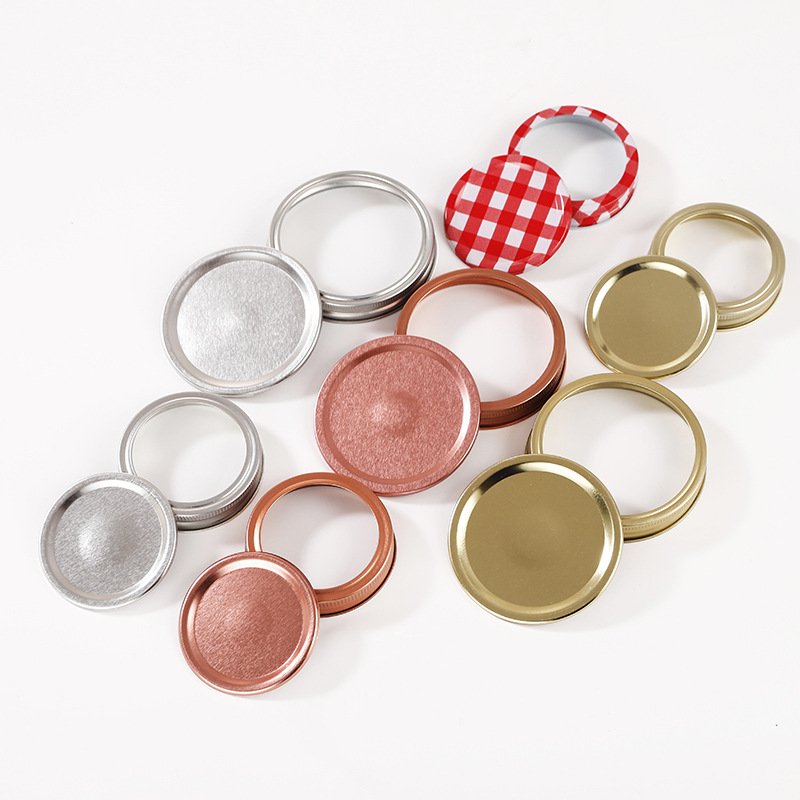
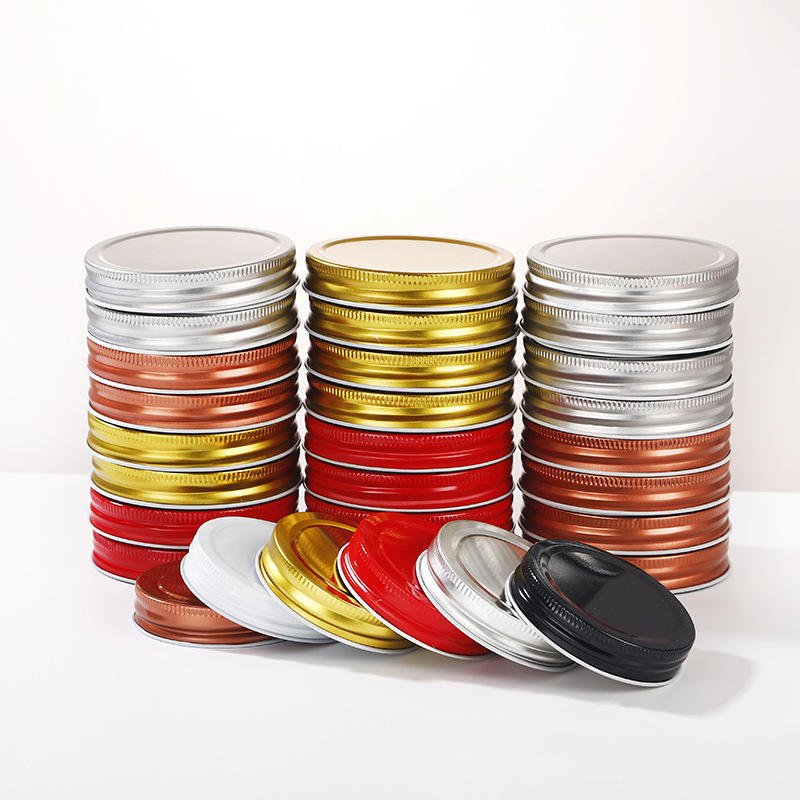
Mason jars are the Swiss Army knives of the kitchen. Whether you are preserving summer harvests, prepping overnight oats, or organizing your pantry, the jar itself remains a constant. However, the lid you choose can make or break your experience.

At Wetroyes, we know that the right lid depends entirely on your intended use. Should you go with the classic tinplate, the sleek stainless steel, or the convenient plastic? Let’s dive into the details.

1. Tinplate Lids (The Canning Classic)

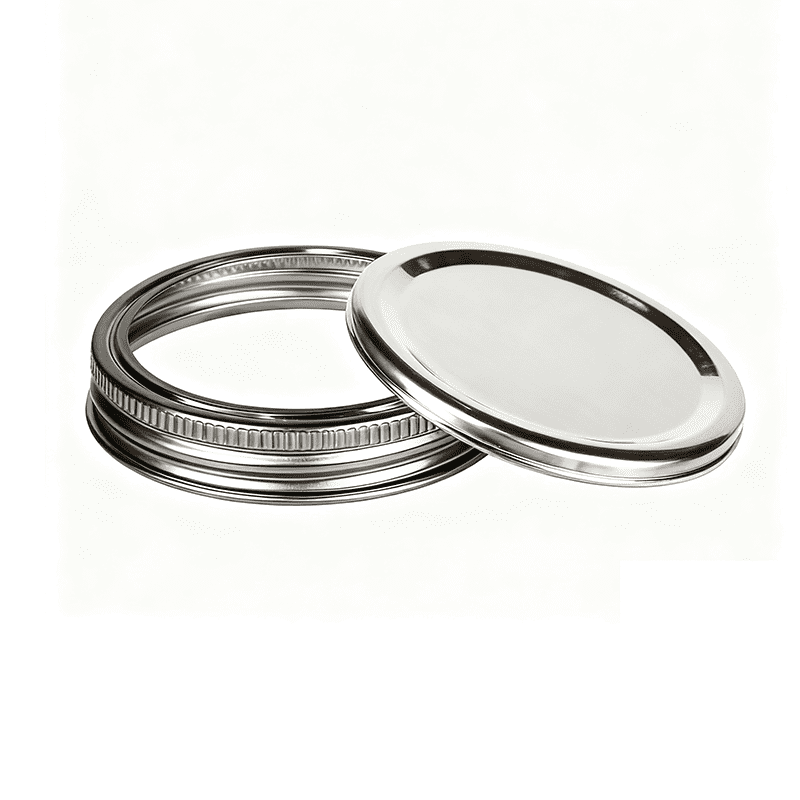
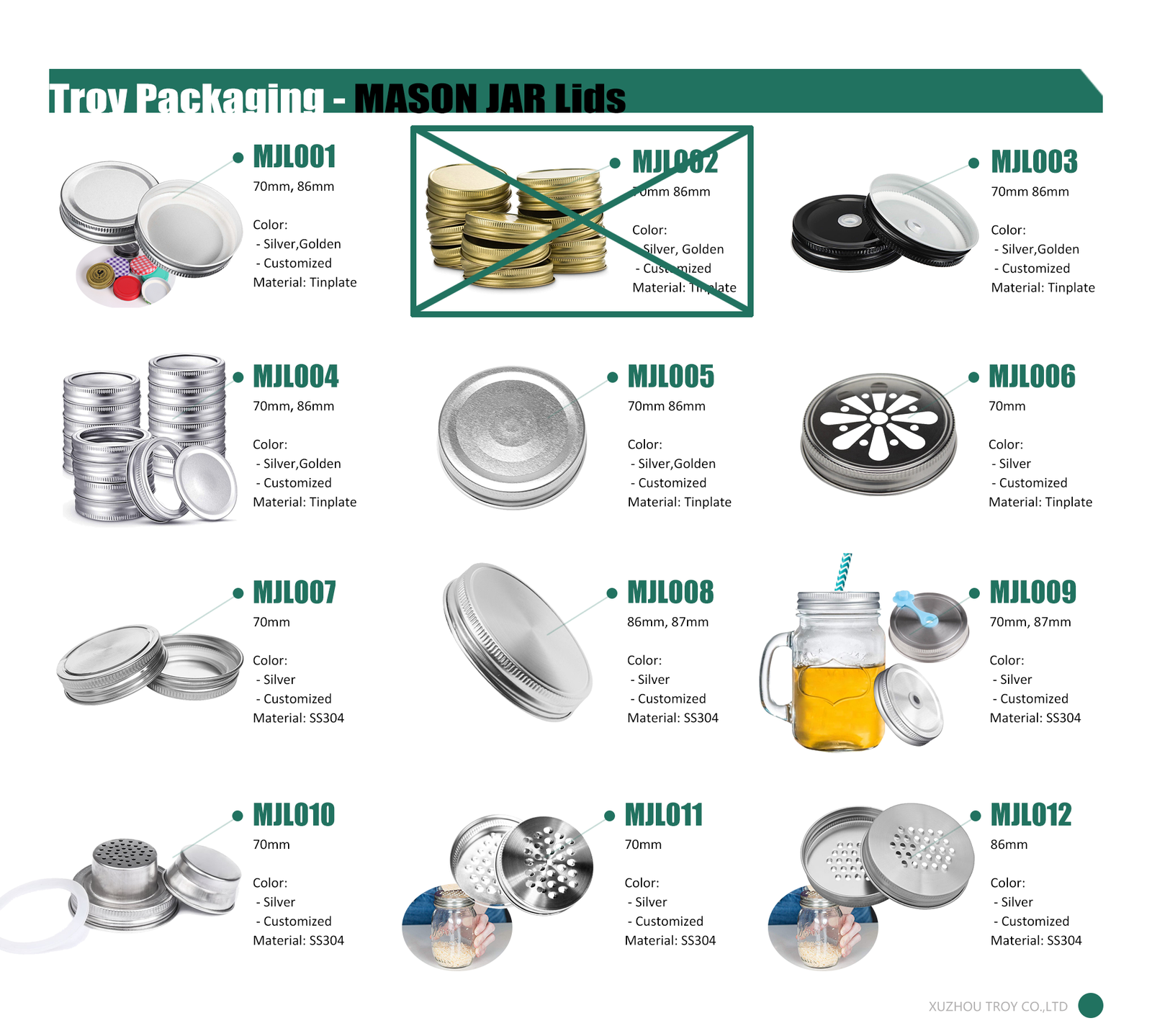
Often sold as the iconic “two-piece” set (a flat disc and a screw band), tinplate is the traditional choice for Mason jars.

  • Pros: It is the only lid designed for true vacuum canning. The underside features a specialized “liner” or compound that softens during heat processing and creates an airtight seal as it cools.

  • Cons: They are prone to rusting, especially when exposed to acidic foods (lemon, vinegar) or salt. Once the coating is scratched, rust is inevitable.

  • Best For: Long-term shelf storage, water bath canning, pressure canning, and homemade jams.

  • Pro Tip: Treat the flat discs as single-use for canning to ensure a perfect vacuum seal every time.

2. Stainless Steel Lids (The Durable Upgrade)

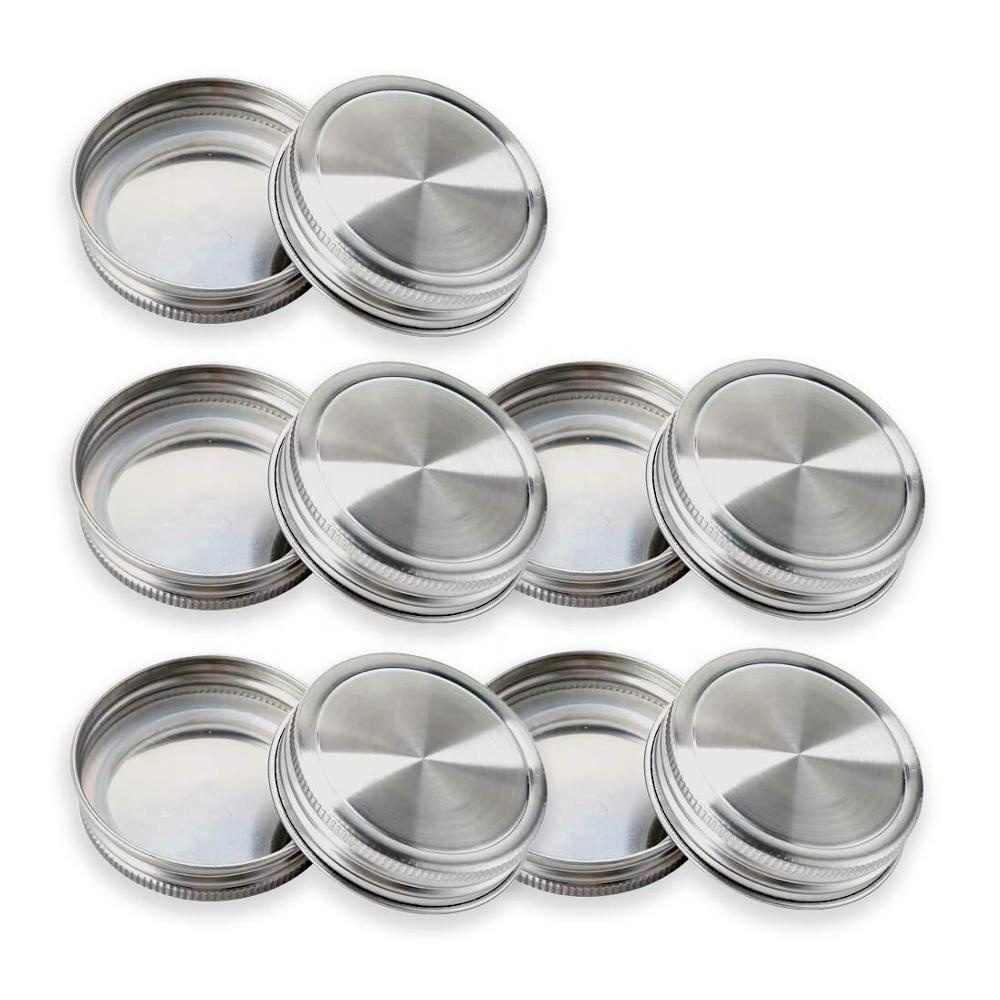
Usually paired with a removable silicone sealing ring, stainless steel lids are the premium choice for modern kitchens.

  • Pros: They are 100% rust-proof and highly durable. Unlike plastic, they don’t leach chemicals, and unlike tinplate, they can handle moisture indefinitely. They offer a high-end aesthetic for your countertop.

  • Cons: Higher initial cost. While they seal tightly with the silicone ring, they are not suitable for professional heat-processed canning.

  • Best For: Refrigerator storage, dry goods (coffee beans, nuts), fermented foods (kimchi, pickles), and using your jar as a stylish water tumbler.

  • Look For: Ensure you choose 304 Grade Stainless Steel for maximum corrosion resistance.

Close-up detail of the rust-proof stainless steel construction and precise threading on the mason jar band.
Airtight food grade stainless steel mason jar lids in 70mm and 86mm sizes, creating a seal on glass jars.
3. Plastic Lids (The Daily Workhorse)

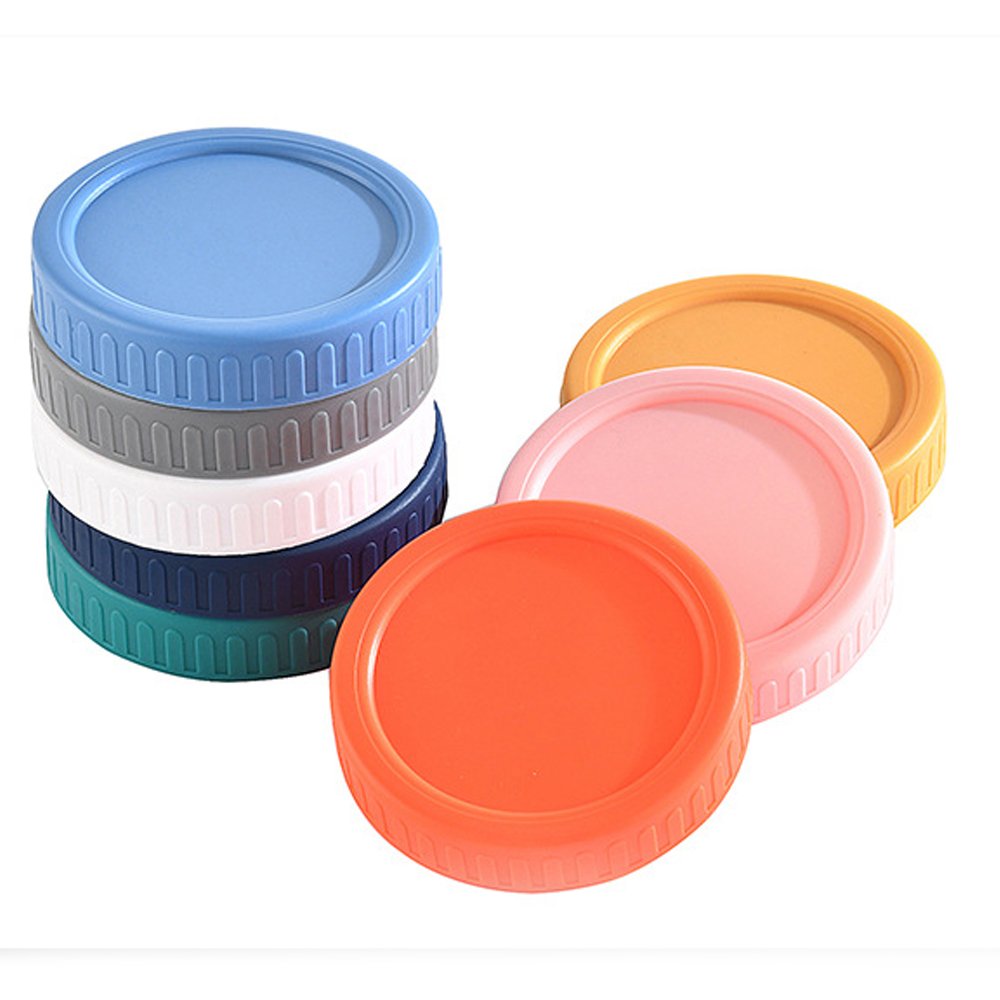
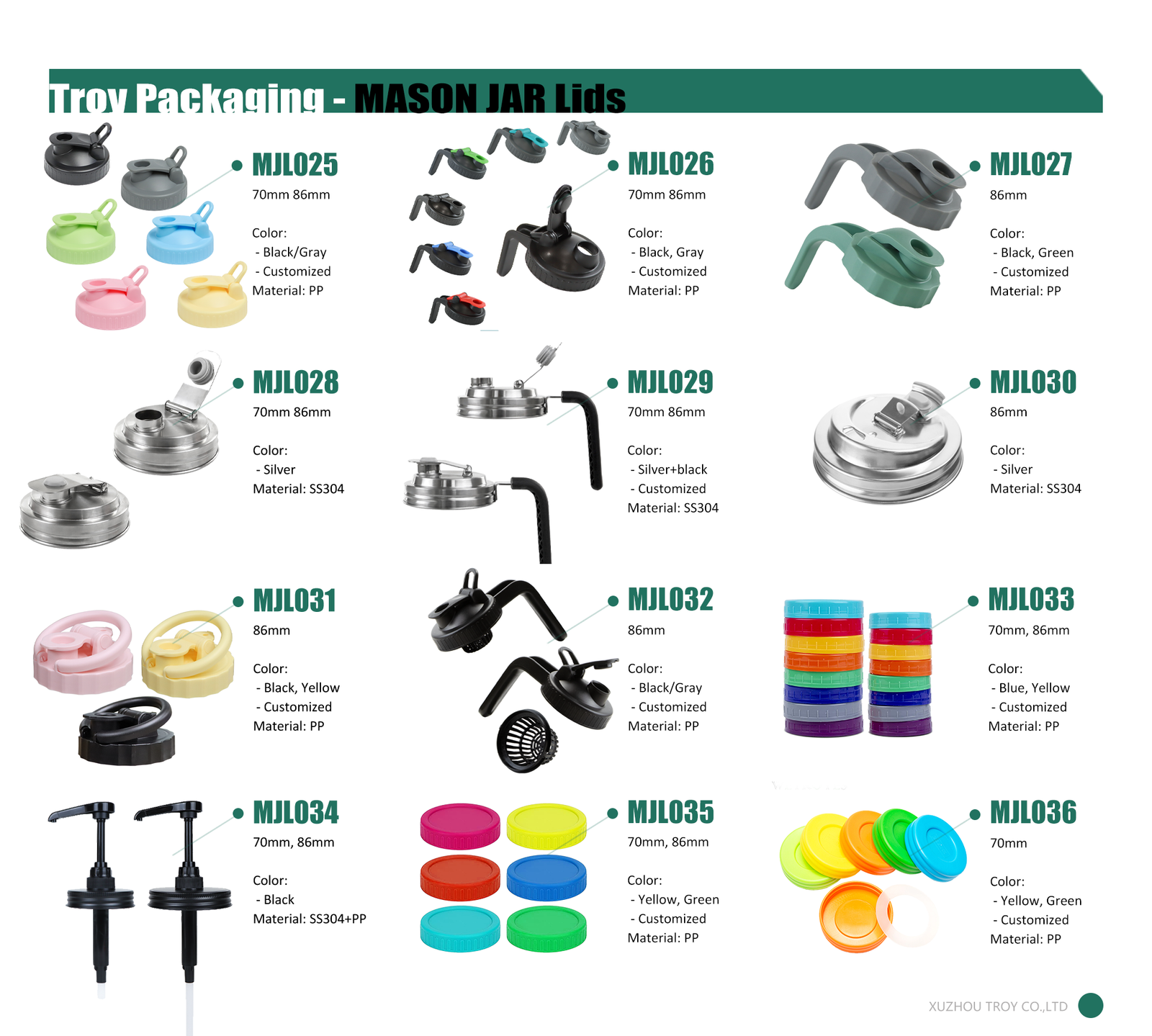
Typically made from BPA-free polypropylene (PP), these one-piece lids come in various colors.

  • Pros: They never rust, are lightweight, and are usually dishwasher-safe. They are perfect for jars that are opened and closed frequently.

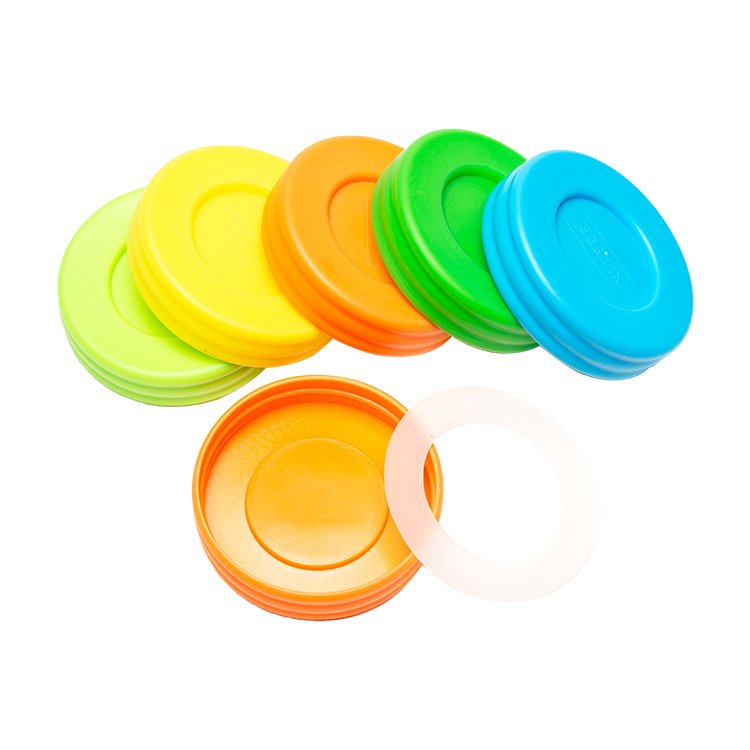
  • Cons: They can absorb odors (like garlic or spices) and may warp if exposed to extreme heat. Their seal is often less “aggressive” than metal options unless they have a thick silicone gasket.

  • Best For: Overnight oats, salad jars, freezing liquids (plastic has more “give” than metal), and organizing craft supplies or spices.

Close-up of the non-toxic silicone gasket inside a baby food mason jar lid, ensuring an airtight seal.
Style Matters: One-Piece vs. Two-Piece
  • Two-Piece (Ring + Disc): Essential for canning. The design allows air to escape the jar during heating, which is what creates the vacuum.

  • One-Piece: Best for convenience. If you are grabbing a snack or pouring milk, you don’t want to fiddle with two separate parts.

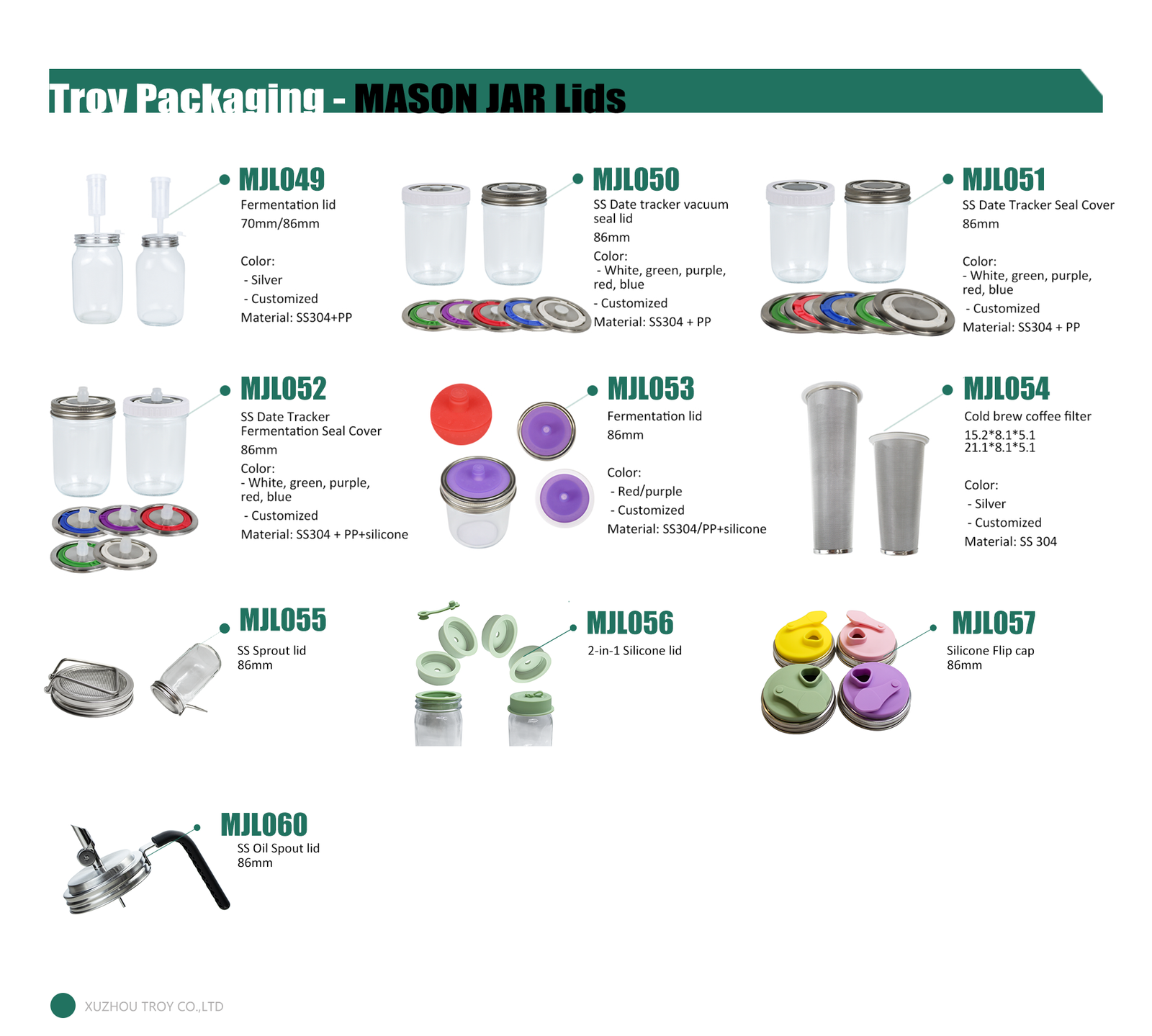
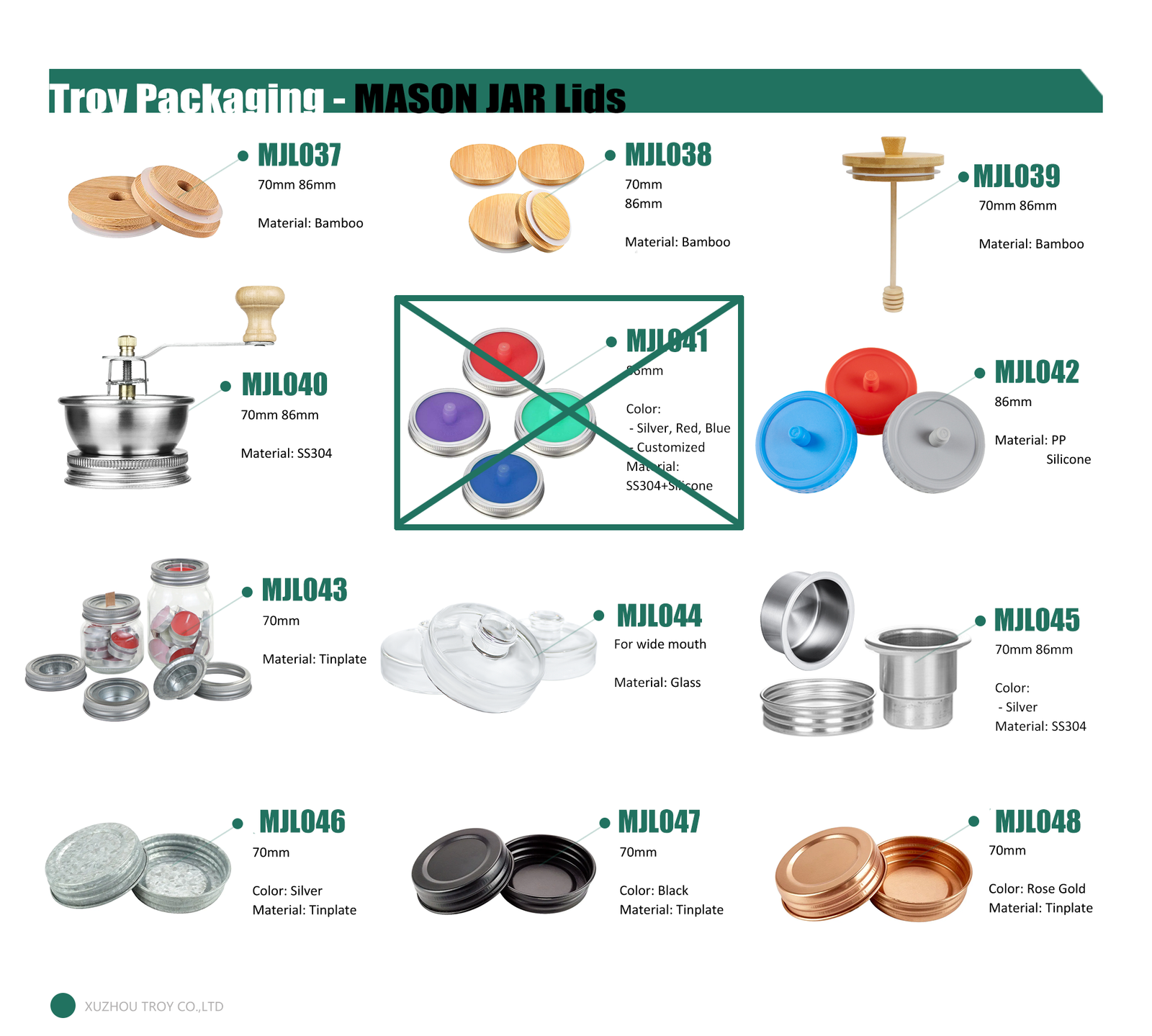
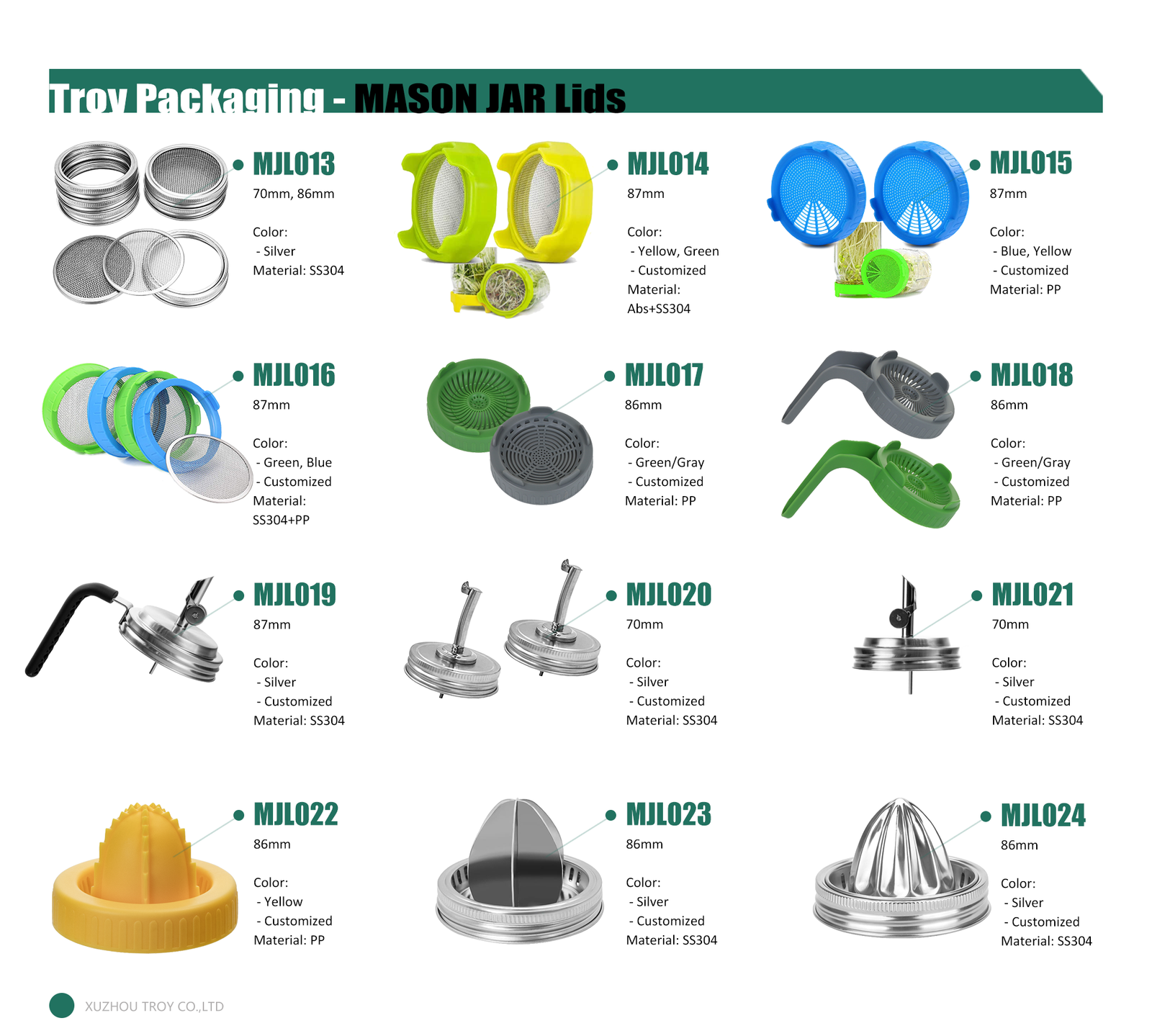
  • Specialty Lids: Don’t forget functional variations! There are lids with straw holes for drinks, flip-tops for pouring oil, and airlock lids specifically for fermentation.

Comparison Table: Which Lid Should You Use?
ScenarioRecommended MaterialRecommended StyleWhy?
Canning Fruit/JamsTinplateTwo-PieceCreates a safe vacuum seal.
Dry Pantry StorageStainless SteelOne-PieceDurable, rust-proof, and airtight.
Freezing SoupPlasticOne-PiecePlastic handles thermal expansion well.
Fermenting KrautPlastic or GlassSpecialty ValveHigh salt/acid levels won’t corrode it.
Overnight OatsPlasticOne-PieceEasy to wash and grab-and-go.
How do you choose? Follow this simple rule of thumb:
  1. If you are heating it to preserve food: Stick with Tinplate.

  2. If you want it to last forever and look great: Invest in Stainless Steel.

  3. If you want easy cleaning and daily convenience: Go with Plastic.

At Wetroyes, we believe every jar deserves the perfect partner. Choosing the right lid ensures your food stays fresh, your pantry looks organized, and your kitchen runs smoothly!

CONTACT OUR TEAM >>