304 North Cardinal St. Dorchester Center, MA 02124
Tinplate vs. Plastic vs. Stainless Steel Mason Jar Lids: Which is Better for Storage?
Rust, seal, or style? We break down the pros and cons of the three most popular Mason jar lid materials to help B2B buyers choose the perfect closure for their products.
So, you’ve got the perfect Mason jars. Now comes the big question: What should you put on top?
Choosing the right lid isn’t just about looks. The material you choose affects how long food stays fresh, whether the lid will rust in the dishwasher, and how much your customers will love using the product.
At XUZHOU TROY, we specialize in all kinds of closures. Here is the “no-nonsense” breakdown of the three most popular materials to help you decide which one is right for your brand.
1. Tinplate Lids: The Traditional Workhorse
Tinplate (tin-plated steel) is the classic choice. When you think of a “canning lid,” this is it.
The Good: They are the best for creating a vacuum seal. If your customers are doing serious canning (like making jams or pickles that sit on a shelf for a year), tinplate is the gold standard. They are also very budget-friendly.
The Bad: They have one major enemy: Rust. Once the protective coating gets a tiny scratch, moisture gets in, and you’ll see orange spots. They are also generally not recommended for the dishwasher.
Best For: Commercial food packing, hot-fill canning, and that classic “farmhouse” aesthetic.
2. Plastic Storage Lids: The Modern Daily Driver
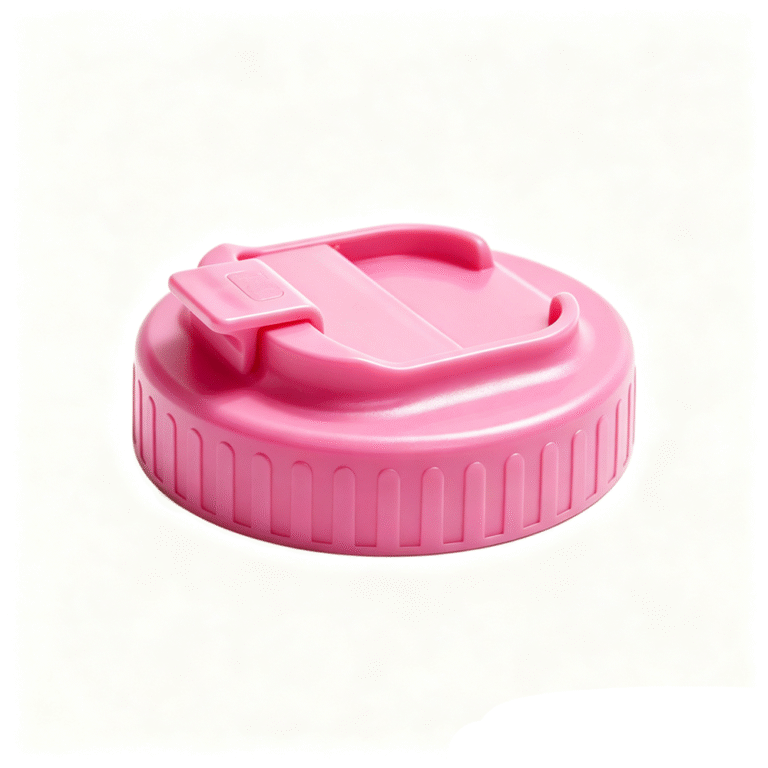
Plastic lids (usually BPA-free Polypropylene) have taken the “lifestyle” market by storm.
The Good: They are the “set it and forget it” option. They never rust, they are 100% dishwasher safe, and they come in every color of the rainbow. They are perfect for people who use Mason jars for meal prep, salads-to-go, or craft storage.
The Bad: You cannot use them for traditional heat-processed canning. While they are great for the fridge or pantry, they don’t provide the same industrial-strength vacuum seal that metal does.
Best For: Fridge storage, overnight oats, dry goods (beans, pasta), and daily drinking jars.
3. Stainless Steel Lids: The Premium Upgrade
If you want to offer your customers a “luxury” experience, 304-grade stainless steel is the way to go.
The Good: It’s the best of both worlds. You get the strength and look of metal, but with the rust-proof power of plastic. They look expensive, feel heavy in the hand, and last a lifetime. They are a huge selling point for high-end gift sets.
The Bad: They are the most expensive option. For a low-cost spice jar, they might be overkill, but for a premium brand, they are worth the investment.
Best For: Soap dispensers, high-end skincare packaging, and premium kitchenware sets.
Summary Comparison Table
Feature
Tinplate
Plastic (PP)
Stainless Steel
Rust Proof?
No
Yes
Yes
Canning Safe?
Yes
No
No (usually storage only)
Dishwasher Safe?
No
Yes
Yes
Price
$ (Low)
(Medium)
$ (High)
Vibe
Traditional / Rustic
Modern / Colorful
Luxury / Professional
The Verdict: Which should you choose?
Choose Tinplate if you are selling to “Canners.” People who make their own salsa and jam need that vacuum seal.
Choose Plastic if you are selling “Organization.” People who want a tidy, colorful pantry love that they can wash these lids a thousand times without worry.
Choose Stainless Steel if you are selling “Quality.” If your brand is about sustainability and “buy it for life,” stainless steel is the only choice.
Why Sourcing from XUZHOU TROY Matters
At XUZHOU TROY, we don’t just sell lids; we engineer them. We have multiple proprietary molds for flip-tops, pourers, and specialized storage caps that you won’t find anywhere else.
Whether you need a custom Pantone color in plastic or a laser-engraved logo on stainless steel, we help you build a product that stands out on the shelf.
Not sure which lid fits your jar? [Contact our team today] for samples and technical specs. Let’s find your perfect fit!