The “Stainless” Lie: Why Your Premium Lids Are Bleeding Rust

Stainless steel shouldn't rust, so why is your "premium" lid bleeding brown? We’re diving into the hidden world of steel grades and stamping stress—the B2B headaches that ruin high-end Mason jar accessories.
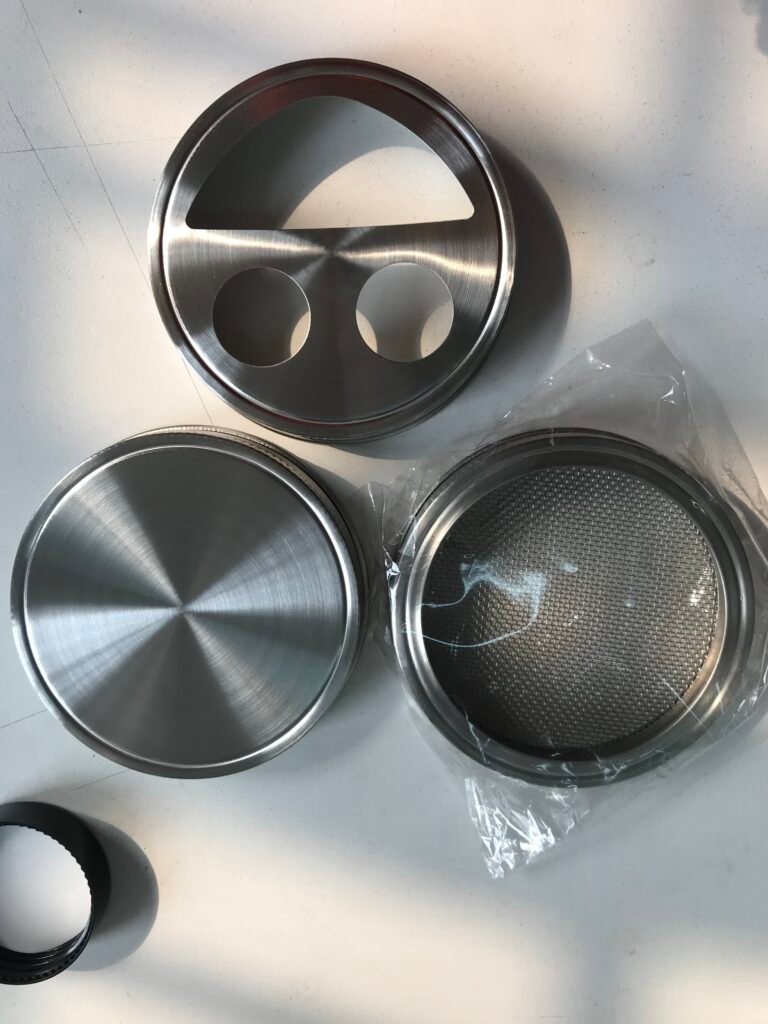
You’ve made the leap. You’ve told your customers, “No more rusty rings! We’re moving to Stainless Steel.” You’ve paid the premium—sometimes three times the price of a standard lid—because you want a product that lasts a lifetime.

Then, three weeks later, a customer sends a photo of their soap dispenser or their overnight-oats jar. There it is. A nasty, jagged brown streak running down the threads. It’s the “Stainless” lie, and for a buyer, it’s a total “heart-sink” moment.

At XUZHOU TROY, we know that “Stainless” is a word factories throw around loosely. But there’s a specific, hidden detail that separates a lifetime lid from a three-week disaster: The 201 vs. 304 Trap.

The "Looks-Alike" Sabotage

To the naked eye, Grade 201 stainless steel looks identical to Grade 304. They both sparkle under the showroom lights. But 201 is the “budget” version—it has less nickel and more manganese.

In a dry office, 201 is fine. But put it in a steamy bathroom as a soap dispenser, or in a dishwasher, and the manganese reacts with the moisture. It doesn’t just rust; it pits. It eats into the metal. Many factories use 201 to lower the price for B2B bids, hoping you won’t notice until the pallet has already crossed the ocean.

The "Stamping Stress" Factor

Even if the factory uses real 304 steel, there’s a second “invisible” killer: The Stamping Die.

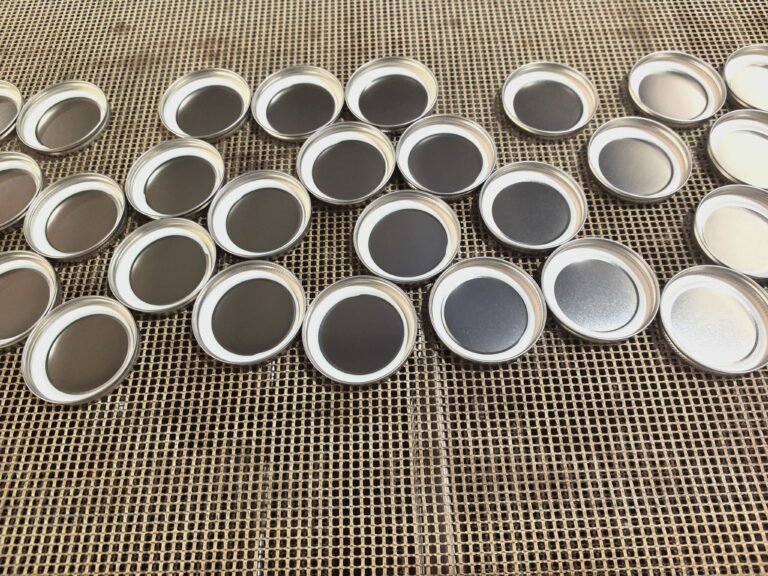
Stainless steel is much harder than tinplate. When a machine stamps that steel into the shape of a lid, it creates massive heat and friction. If the factory doesn’t use the right lubricants or if their molds are “tired,” they actually destroy the microscopic Chromium Oxide layer—the very thing that makes the steel “stainless.”

They’ve essentially “bruised” the metal at a molecular level. That bruise is where the rust starts.

The "Magnet Test"

Want to catch a fake “Stainless” lid before you ship 50,000 of them? Carry a small, strong Neodymium magnet in your pocket.

  • High-quality 304 Stainless Steel is generally non-magnetic (though it can become very slightly magnetic at the curved edges after being stamped).

  • Grade 201 or cheap Carbon Steel will grab that magnet like a long-lost friend.

If the lid jumps to the magnet easily, it’s high-manganese or low-nickel. It’s a “Bleeder” waiting to happen.

Why We "Passivate" Every Batch

At XUZHOU TROY, we don’t just stamp and ship. After our 304 stainless steel lids are formed, we put them through a process called Passivation.

We give the lids a specialized acid bath that strips away any “free iron” left on the surface by the molds and instantly regrows that protective chromium shield. It’s an extra step, and it’s not free, but it’s the only way to make sure “Stainless” actually means Stainless.

If you’re paying for a premium material, you should get premium performance. Don’t let a factory’s “Grade Swapping” or “Mold Bruising” turn your high-end upgrade into a customer service headache.

Tired of “Stainless” lids that aren’t actually stainless? We hear you. At XUZHOU TROY, we use real-deal 304 and we don’t skip the passivation. Let’s get you some samples that actually pass the Magnet Test.

CONTACT OUR TEAM >>