The Invisible Shield: Why BPA-NI and Acid-Resistant Coatings are Essential for Metal Mason Lids

What is protecting your food from the metal of the lid? We explore the world of internal lid coatings—explaining why BPA-NI standards matter for global markets and how the right chemical barrier prevents rust and off-flavors in acidic products.
When a buyer evaluates a Mason jar lid, they usually look at the color of the metal or the “pop” of the safety button. However, the most critical part of the lid is actually invisible: the Internal Coating.

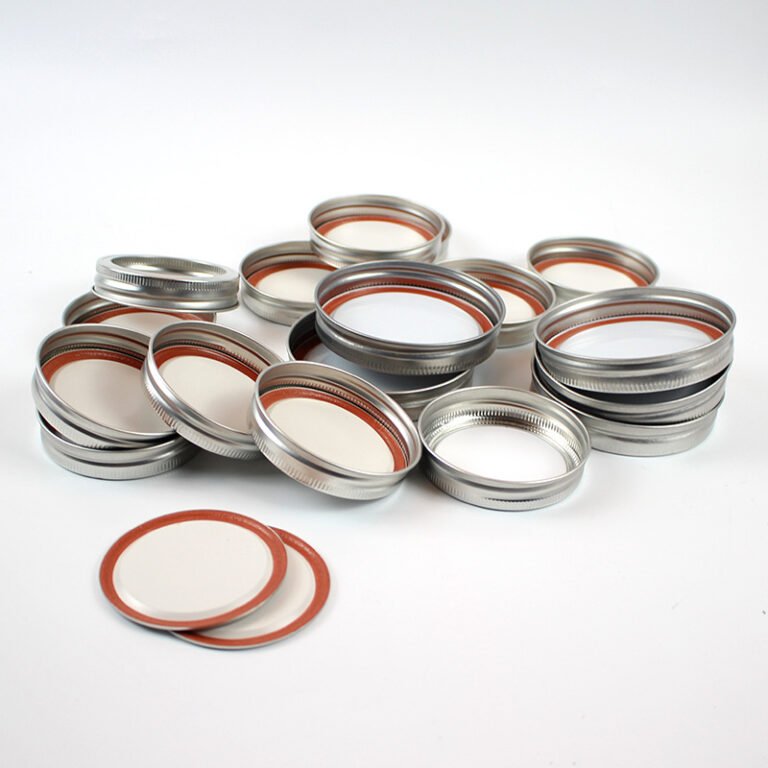
This thin layer of polymer is the only thing standing between your product and the raw tinplate of the lid. Without a high-performance coating, acidic or salty foods can cause the metal to corrode, leading to off-flavors, rust, and safety recalls. At XUZHOU TROY, we utilize advanced coating technologies to ensure your product remains pure from the day it’s packed until the day it’s opened.

1. The Challenge of "Aggressive" Foods

Many products typically stored in Mason jars—such as pickles (vinegar), tomato sauces (citric acid), and fermented vegetables (lactic acid)—are chemically “aggressive.”

  • The Reaction: If these acids make direct contact with the tin-plated steel of the lid, they trigger a galvanic reaction. This results in “black spots” or rust on the underside of the lid.

  • The TROY Solution: We use multi-layered organosol or epoxy-phenolic coatings. These are baked onto the metal at high temperatures to create a non-porous, flexible shield that can withstand the “acid attack” for up to 24 months of shelf life.

2. Navigating the BPA-NI Standard

In the US and European markets, regulatory requirements for food contact materials are stricter than ever. The biggest shift in recent years has been the move toward BPA-NI (BPA Non-Intent) coatings.

  • What is BPA-NI? Traditional coatings often used Bisphenol A (BPA) as a stabilizer. BPA-NI coatings are engineered without the intentional use of BPA, meeting the high safety demands of modern health-conscious consumers.

  • Compliance: At XUZHOU TROY, we provide BPA-NI options for our entire range of Mason jar closures, ensuring your brand stays compliant with global food safety regulations and “Clean Label” initiatives.

3. Elasticity and "Thread Stress"

A coating must do more than just resist acid; it must be flexible. When a metal lid is stamped into shape and then “twisted” onto the glass threads, the internal coating is subjected to immense physical stress.

  • The “Micro-Crack” Risk: If a coating is too brittle, it will develop microscopic cracks during the capping process. These tiny “pathways” allow acid to reach the metal.

  • Precision Engineering: Our coatings are formulated with high elasticity. They “stretch” with the metal as it is formed and torqued, ensuring that the protective barrier remains unbroken even at the stress points of the threads and the rim.

4. Sulfur Staining vs. Corrosion

Have you ever seen a dark purple or black stain on the inside of a lid after packing meat or beans? This is often Sulfur Staining, caused by natural sulfur in the food reacting with the metal.

  • Aesthetic Integrity: While sulfur staining is technically safe, it looks unappealing to the consumer. We offer specialized buff or white pigmented coatings that act as a barrier against sulfur, keeping the inside of the lid looking clean and professional.

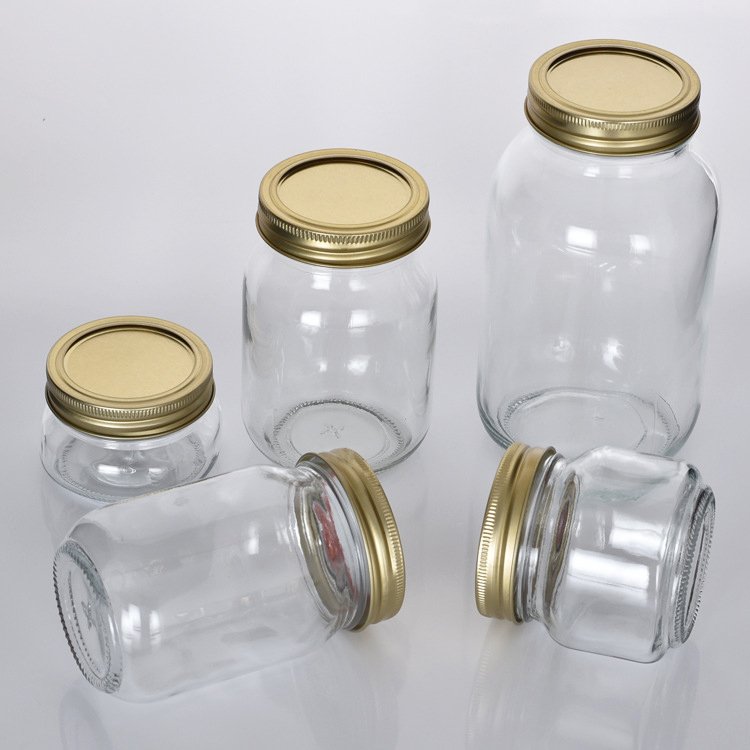
At XUZHOU TROY, we know that your brand is only as strong as its weakest link. By providing precision-engineered glass jars and high-performance, BPA-NI coated lids, we ensure that every link in your packaging chain is unbreakable.

Are you experiencing rust or “off-flavors” in your high-acid products? The solution is in the coating. Contact XUZHOU TROY today for technical specifications on our acid-resistant, BPA-NI closure systems.

CONTACT OUR TEAM >>