Our Location
Xuzhou, Jiangsu, China
This article details the manufacturing process of colored glass bottles and jars, explaining both traditional batch coloring (adding metallic oxides to molten glass) and modern spray coating techniques. It highlights WETROYES’ expertise in creating custom-colored glass containers that offer aesthetic appeal, UV protection, and brand enhancement, while ensuring quality through strict color consistency and durability testing.
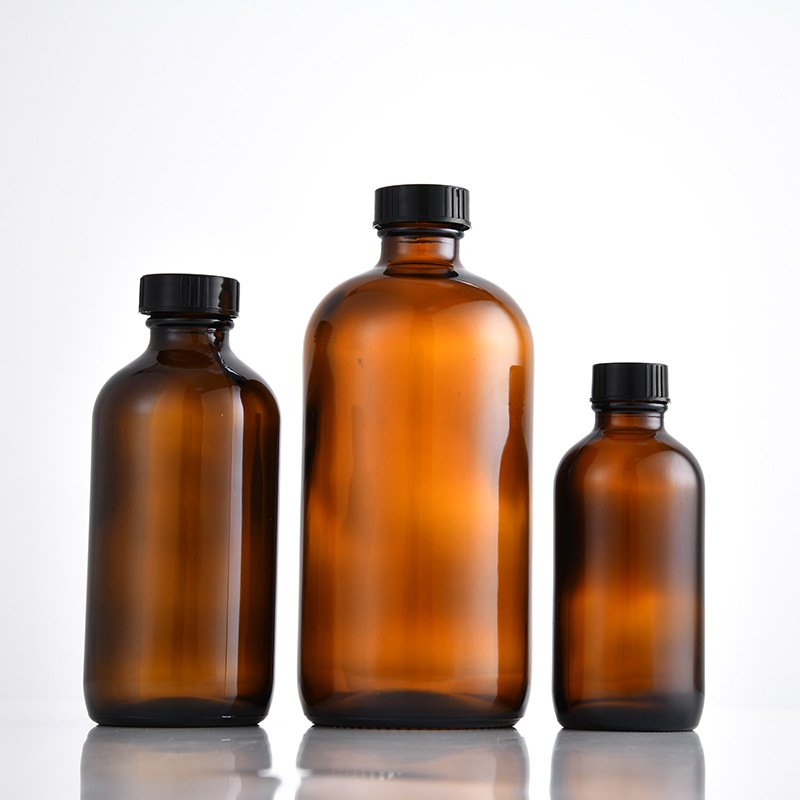
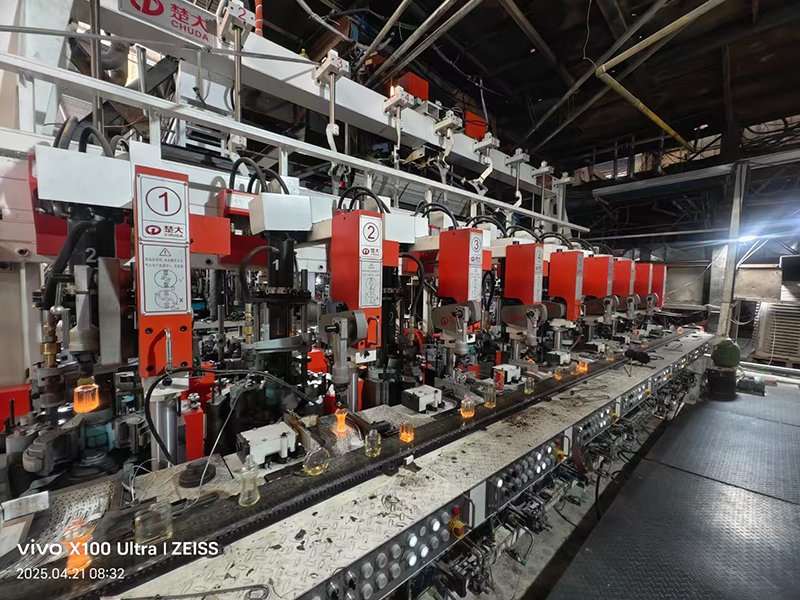
Colored glass containers have captivated consumers for centuries, offering both aesthetic appeal and functional benefits like UV protection. At WETROYES, we specialize in creating beautifully colored glass bottles and jars that combine visual elegance with practical performance. This comprehensive guide reveals the fascinating process behind manufacturing colored glass containers and how we ensure quality at every stage.


All glass begins with three primary ingredients:
Silica Sand (70-75%): Forms the glass structure
Soda Ash (12-16%): Lowers melting temperature
Limestone (10-15%): Provides stability and durability
To create colored glass, specific metallic oxides are added to this base mixture, transforming clear glass into vibrant containers with unique properties.
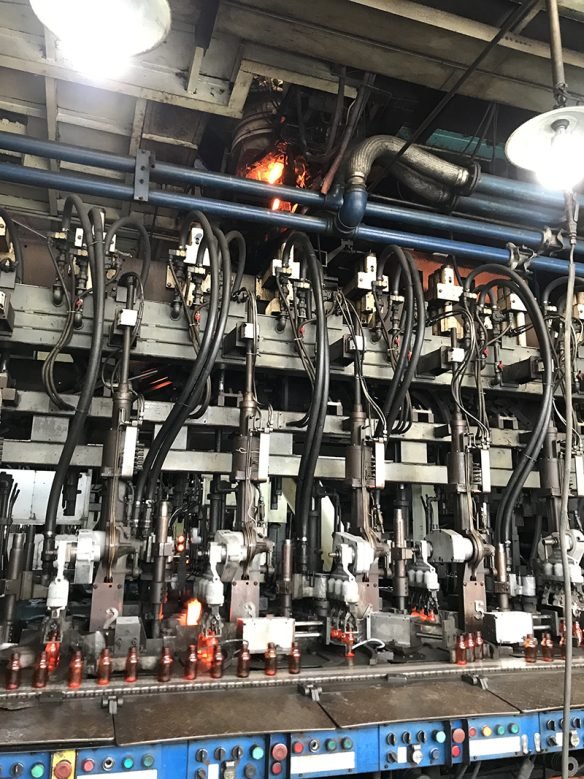
This traditional method involves adding colorants directly to the raw glass batch before melting.
Common Colorants and Their Effects:
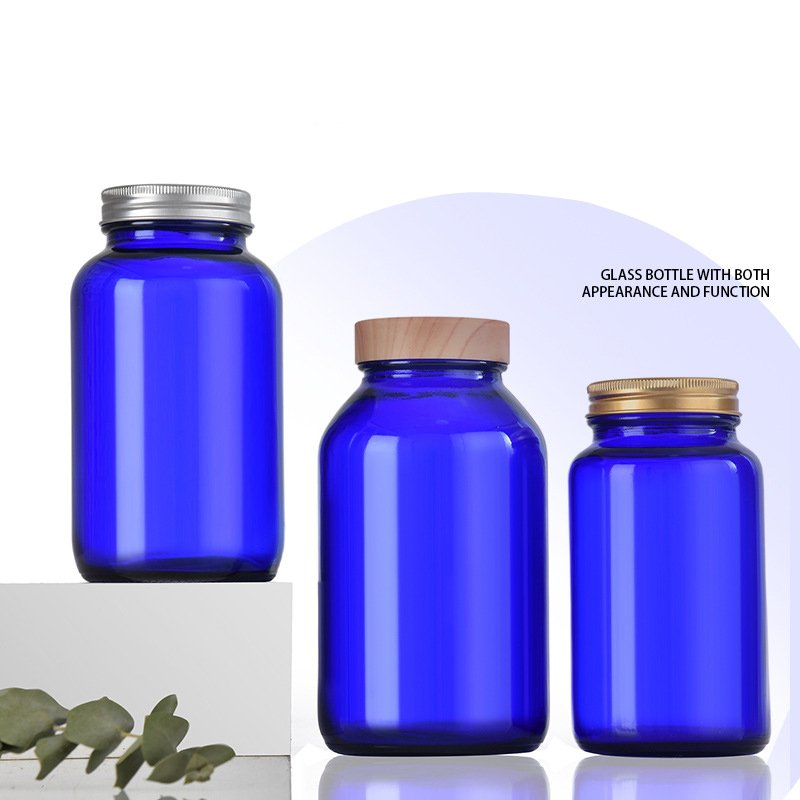
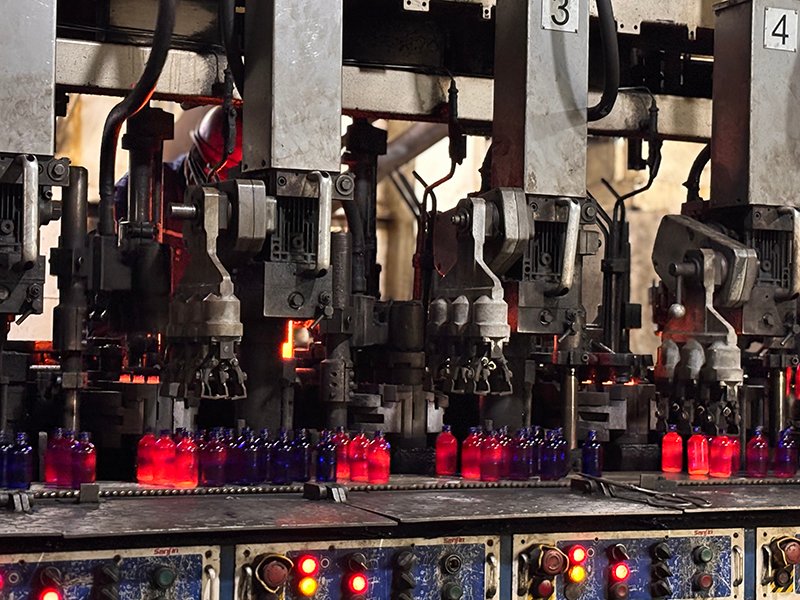
Cobalt Oxide: Produces various shades of blue
Chromium Oxide: Creates emerald green glass
Iron Oxide: Results in green or amber tones
Manganese Dioxide: Yields purple or amber glass
WETROYES Advantages:
Consistent color throughout the glass thickness
Unlimited design possibilities for custom colors
Proven formulations for reliable results
Environmentally stable colors that won’t fade


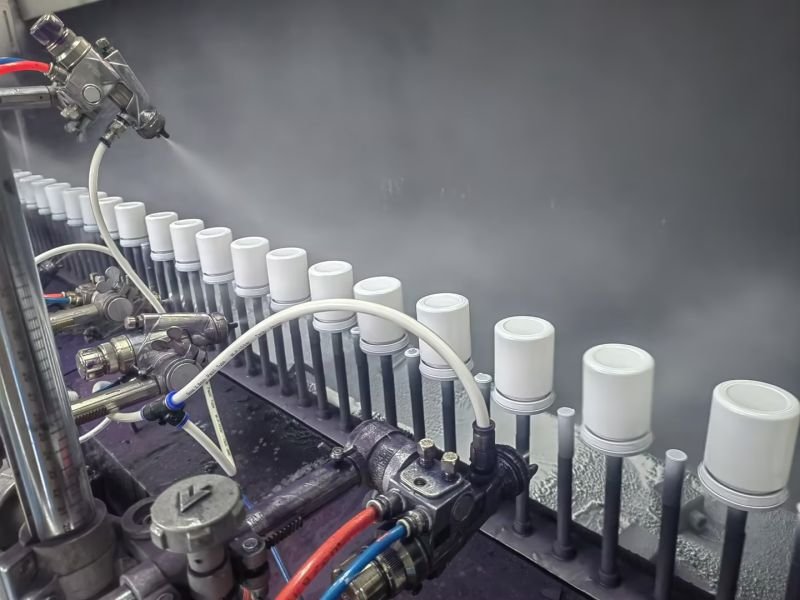
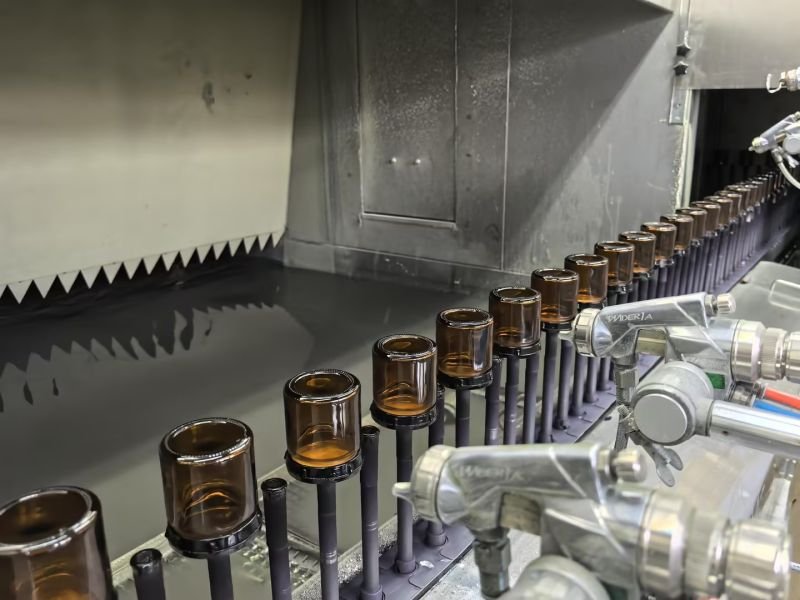
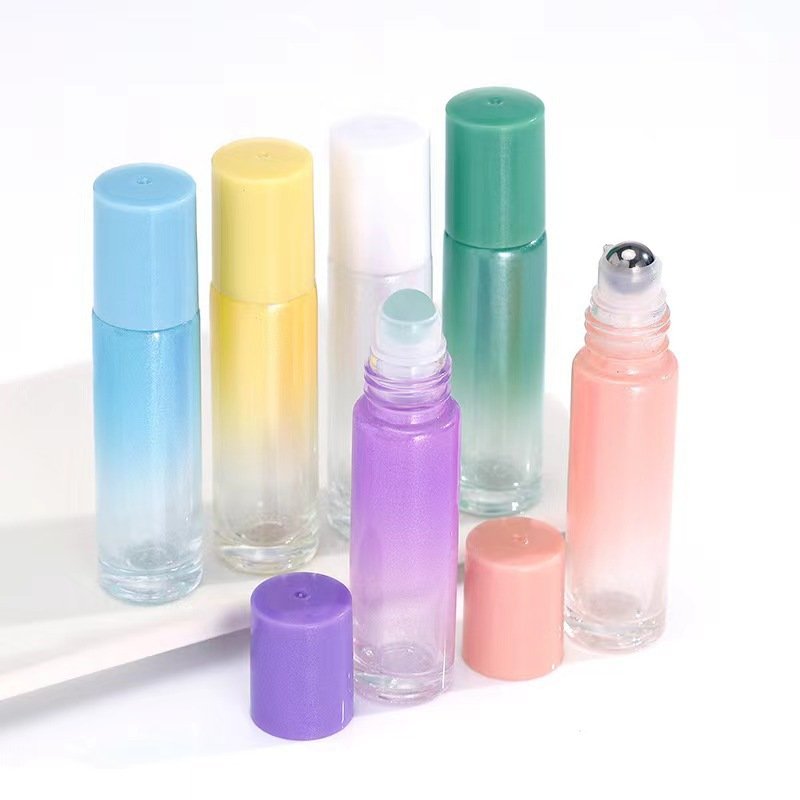
For specific applications requiring precise color control or limited production runs, we employ advanced spray coating technology.
Our Spray Coating Process:
Surface Preparation: Ultrasonic cleaning and plasma treatment
Base Coating Application: Even application of primer layer
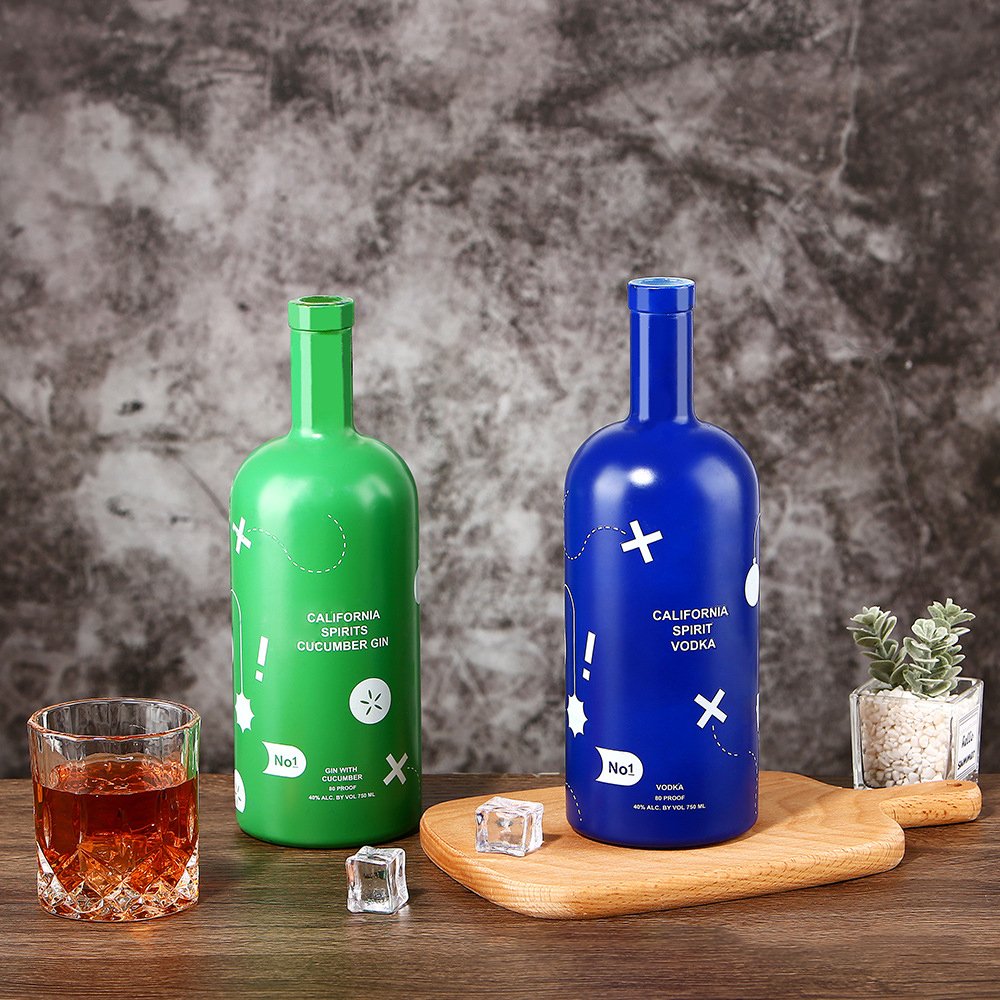
Color Coating: Precise spray application of pigmented coating
Curing Process: Controlled heat treatment for durability
Quality Inspection: Color consistency and adhesion testing
Benefits for Clients:
No minimum order quantity for color changes
Rapid prototyping capabilities
Cost-effective for small to medium batches
Easy color modification between production runs


Dual-Tone Glass:
Simultaneous application of multiple colors
Graduated color transitions
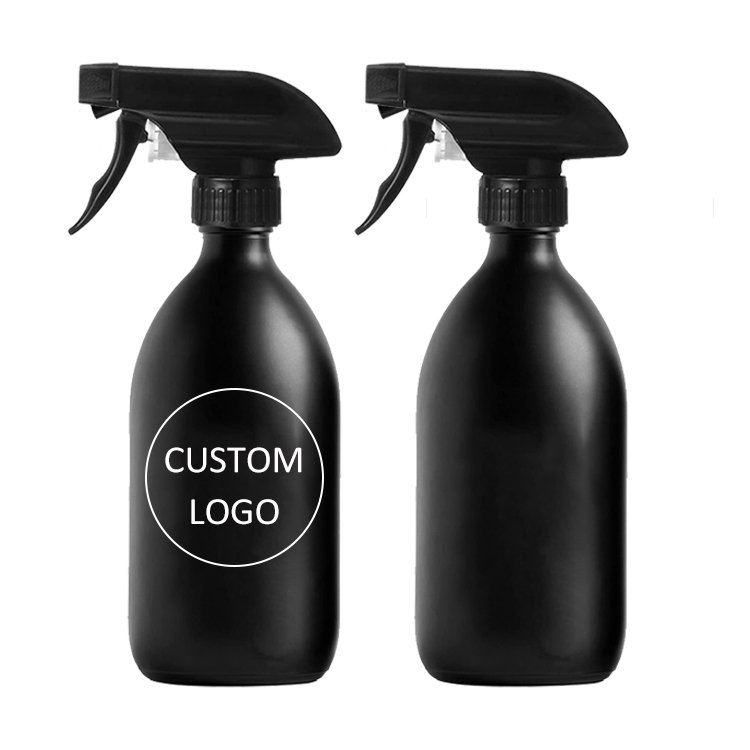
Custom patterns and designs

Textured Finishes:
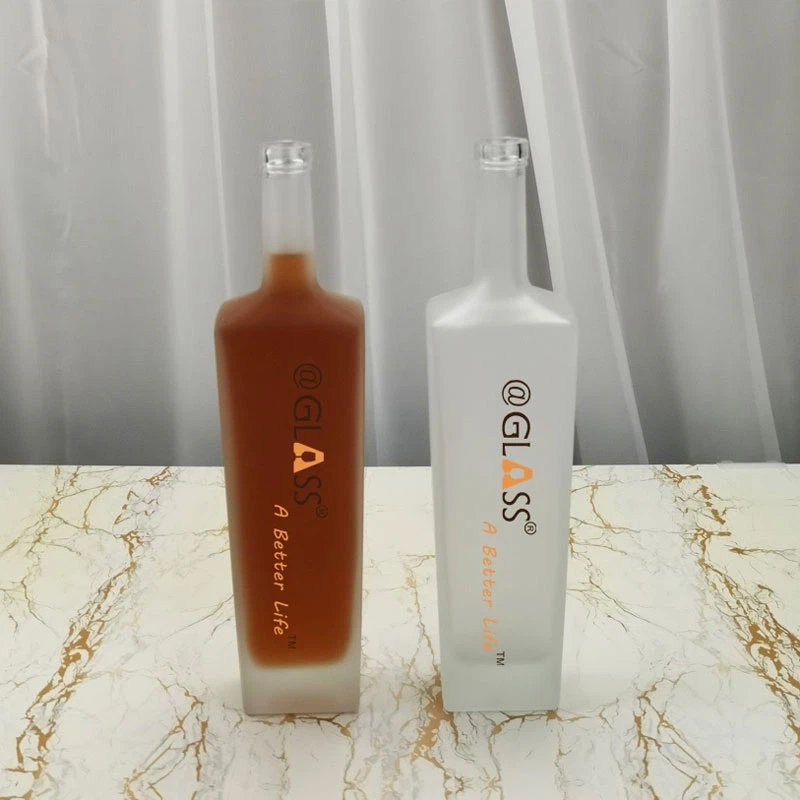
Acid-etched matte surfaces
Sandblasted effects
Embossed patterns integrated with color

Metallic and Pearlescent Finishes:
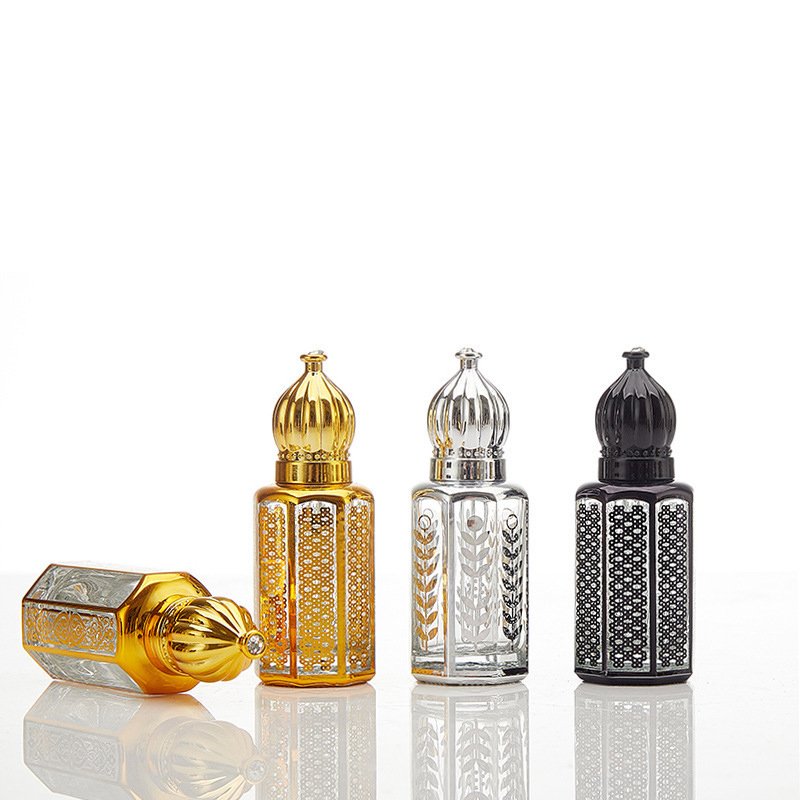
Metallic oxide additions for shimmer effects
Iridescent coatings
Luxury finishes for premium products

Amber Glass: Blocks 97-99% of UV light
Green Glass: Moderate UV protection
Blue Glass: Primarily aesthetic with some protection
Custom Tints: Tailored UV filtering capabilities
Protection against light degradation
Extended shelf life for sensitive contents
Maintained product integrity
Reduced need for chemical preservatives
Immediate shelf impact
Emotional connection with consumers
Premium product perception
Distinct brand identity
Product Requirements: UV sensitivity, shelf life needs
Brand Identity: Color psychology, market positioning
Production Volume: Economies of scale considerations
Budget Parameters: Batch coloring vs spray coating costs
Timeline Needs: Development time vs production speed
Colored glass manufacturing combines ancient artistry with modern technology, creating containers that are both beautiful and functional. At WETROYES, we’ve mastered this craft, offering clients unparalleled expertise in creating custom colored glass solutions that enhance products, protect contents, and strengthen brands.


REQUEST FREE SAMPLES NOW >>
CONTACT OUR TEAM >>
FIND MORE PRODUCTION VIDEOS >>