More Than Just Dots: The Functional Role of Bottom Knurling in Mason Jar Design

They aren't just for grip! We explore the "Bottom Knurling" on Mason jars—a critical engineering feature that prevents glass breakage, manages heat, and keeps high-speed production lines running smoothly.
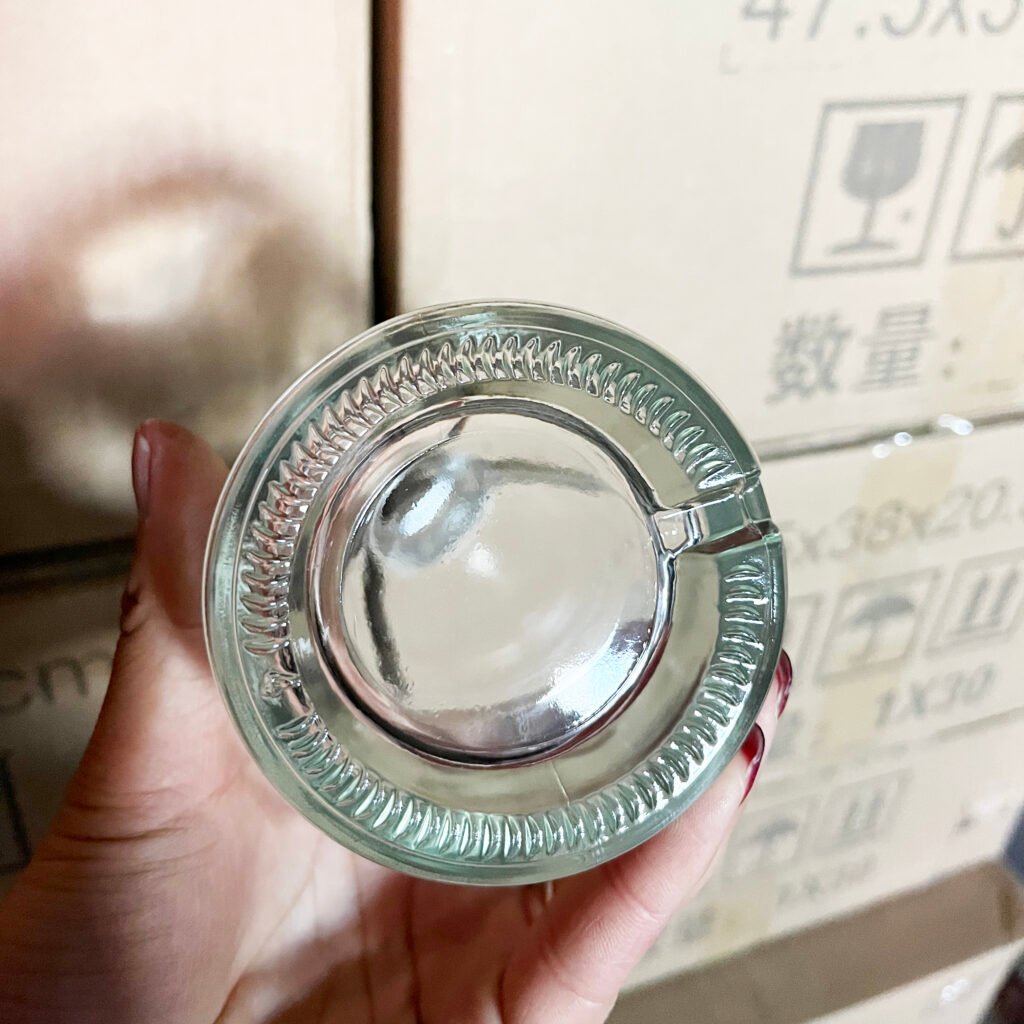
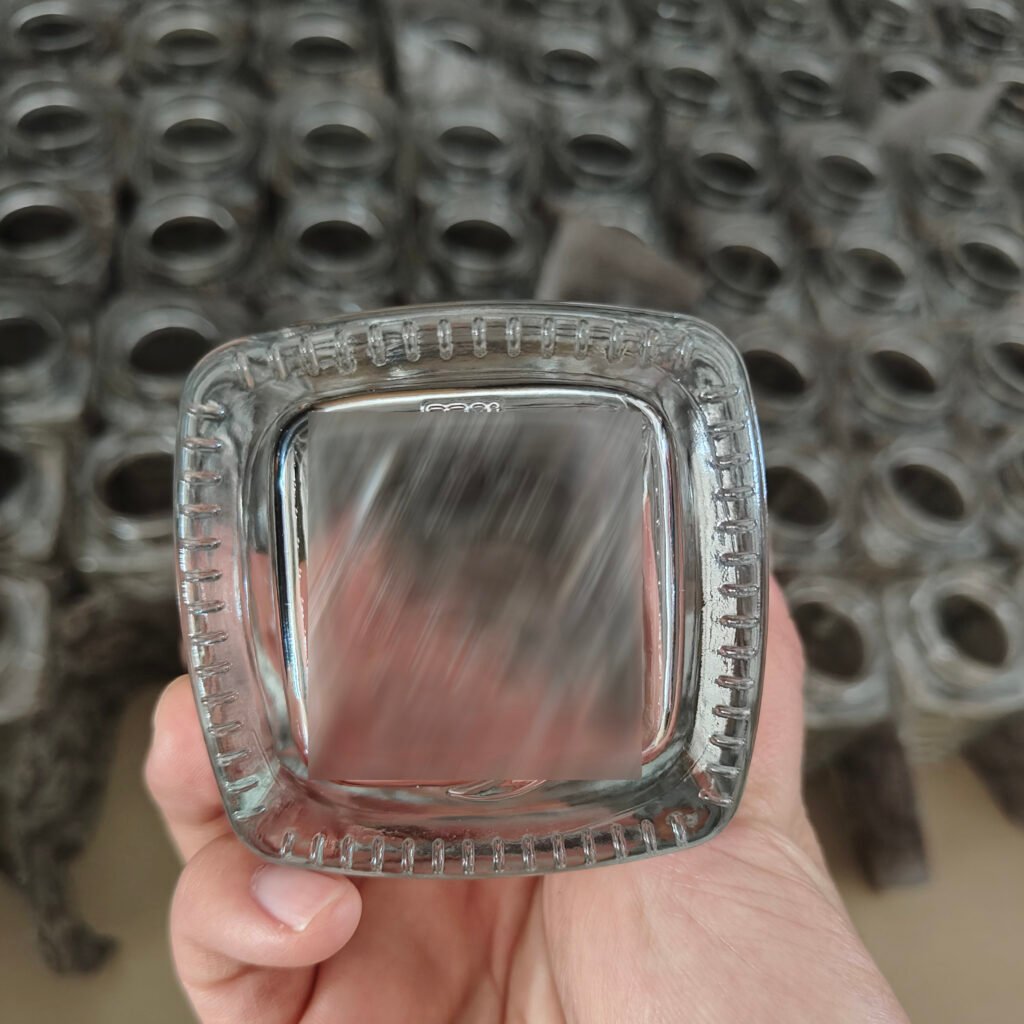
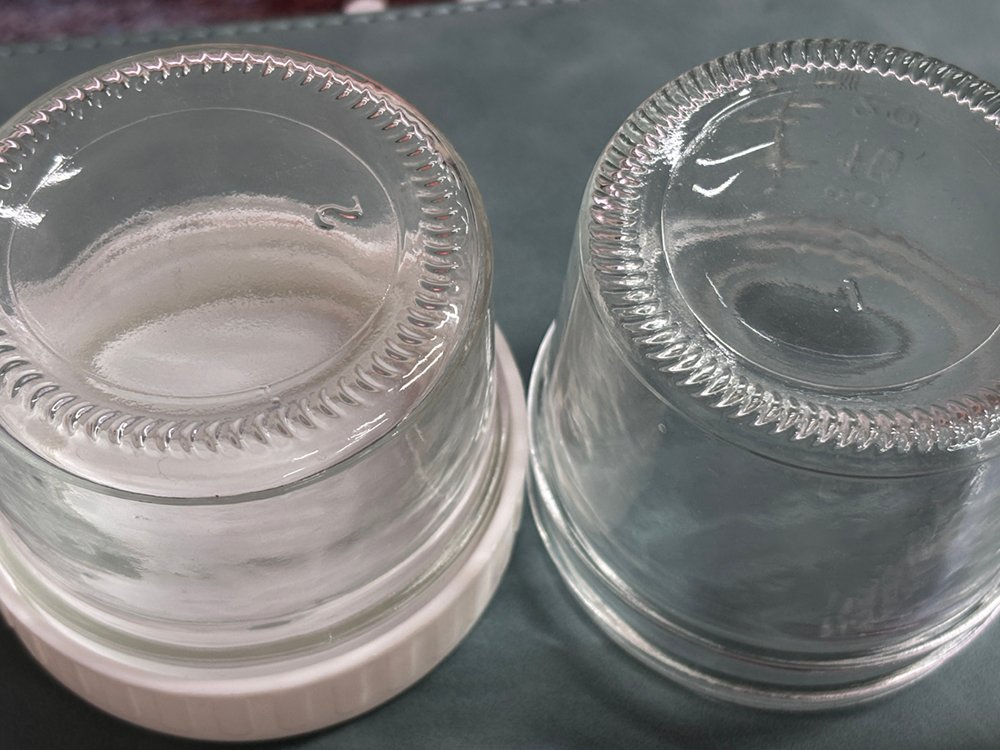
If you flip over a professional-grade Mason jar from XUZHOU TROY, you will notice a ring of tiny embossed dots or a textured pattern around the edge of the base. In the glass industry, this is known as Bottom Knurling (or stippling).

To the casual observer, it might look like a decorative grip. However, in the world of industrial glass manufacturing, these dots are a sophisticated engineering feature designed to solve three critical challenges: thermal stress, surface suction, and conveyor stability.

1. Thermal Management: Preventing Heat Shock

Glass is an insulator, meaning it does not transfer heat quickly. When a hot glass jar is placed on a cold surface (like a metal conveyor or a stone countertop), the temperature difference can cause the base to crack—a phenomenon known as thermal shock.

  • How Knurling Helps: The raised dots act as “feet.” They create a tiny air gap between the hot glass and the cold surface. This reduces the surface area of direct contact, slowing down the heat transfer and allowing the jar to cool more uniformly without fracturing.

2. Breaking the "Suction" Effect

In food processing plants and commercial kitchens, surfaces are often wet. A perfectly flat glass bottom on a wet surface creates a powerful vacuum seal (stiction), making the jar difficult to move or causing it to “jump” and shatter when lifted.

  • How Knurling Helps: By breaking the flat surface of the glass, the knurling allows air to flow underneath the jar. This prevents the “suction cup” effect, ensuring that jars can be moved smoothly across wet packing lines and kitchen counters without resistance.

3. Stability on the Production Line

For our B2B partners who utilize high-speed automated filling lines, “bottle walk” is a major concern. Jars moving at high speeds can vibrate and slide out of alignment.

  • How Knurling Helps: The textured bottom provides essential friction. It allows the conveyor belts to “grip” the jar more effectively. This ensures the jar remains perfectly centered under filling nozzles and capping machines, reducing spillage and mechanical downtime.

4. Protecting the "Aesthetic" Surface

A Mason jar’s beauty lies in its clarity. If the entire bottom of the jar were flat and smooth, every time it slid across a table or shelf, it would pick up microscopic scratches. Over time, the base would become cloudy and “frosted.”

  • How Knurling Helps: The knurling takes the brunt of the wear and tear. By raising the main surface of the base off the table, the textured dots protect the rest of the glass from abrasions, keeping the jar looking newer for longer.

The XUZHOU TROY Standard

At XUZHOU TROY, we also use the base area for Traceability Codes. Along with the knurling, you will often find small numbers or symbols. These identify which specific mold the jar came from. If a quality issue is detected, this “mold code” allows us to pinpoint the exact equipment at our Xuzhou facility that needs adjustment, ensuring 100% batch consistency.

The next time you handle a Mason jar, remember that even the tiny dots on the bottom have a job to do. From managing heat to ensuring line stability, every millimeter of a XUZHOU TROY jar is engineered for performance.

Whether you are a wholesaler or a food brand, choose a partner who understands the science behind the glass. Choose XUZHOU TROY.

CONTACT OUR TEAM >>