Our Location
304 North Cardinal St.
Dorchester Center, MA 02124

Discover resources that empower your business. The Troy News page delivers industry insights, packaging solutions, and company announcements to help your brand grow.
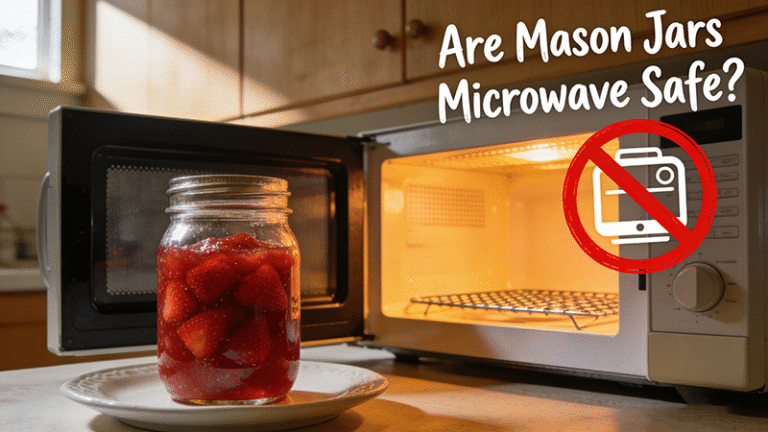
This article addresses the common question of whether Mason jars are microwave safe. While XUZHOU TROY's high-quality soda-lime glass Mason jars may withstand brief microwave use under strictly controlled conditions, they are not specifically designed for this purpose, with thermal shock posing a greater risk than microwave radiation itself. The guide emphasizes crucial safety precautions including complete removal of metal lids, avoidance of extreme temperature changes, thorough jar inspection before use, gradual heating methods, and keeping jars unsealed during microwaving. For frequent microwave reheating needs, the article recommends XUZHOU TROY's purpose-designed tempered glass or borosilicate glass containers. The piece concludes that Mason jars excel in their traditional applications—cold storage, dry goods organization, canning, and cold beverage service—and advises prioritizing safety by selecting appropriate container types for specific kitchen needs.
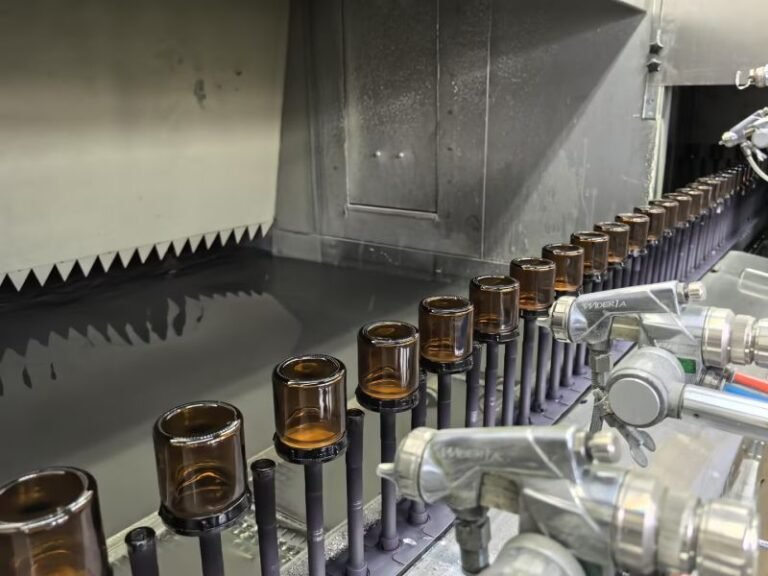
This guide from XUZHOU TROY explains the technology behind amber spray coatings, confirming they can provide equivalent or superior UV protection to original amber glass. Protection levels are precisely controlled by coating thickness and advanced UV absorber formulation, allowing for highly customizable transmittance (e.g., below 5% in the critical UV range and adjustable visibility). We offer solutions for sensitive products, including clear glass with a protective UV coating.

This article explains how automated silk screen printing transforms glass packaging through precision engineering, offering durability, batch consistency, cost efficiency, and versatile creative options for brands across industries.

This article details the sophisticated preparatory science behind high-quality spray-painted glass packaging, covering surface cleaning, environmental control, coating preparation, precision fixturing, and equipment calibration that collectively determine the final finish quality.
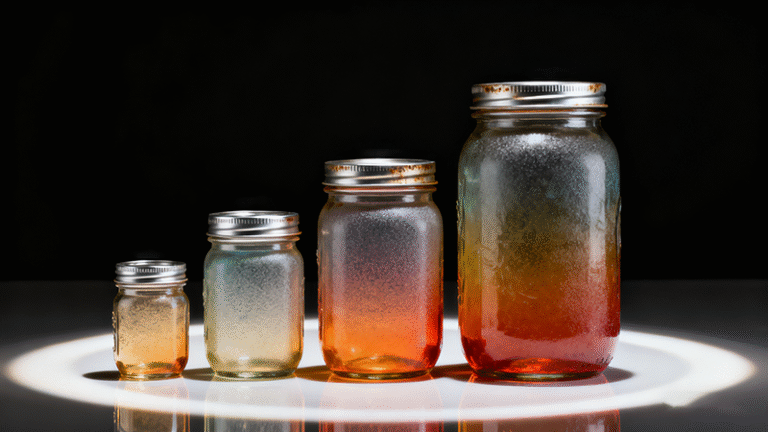
This comprehensive guide covers all standard Mason jar sizes from 4oz to 64oz, comparing regular and wide mouth designs, with detailed usage recommendations for kitchen, pantry, and creative applications.

Glass is a premier packaging material, but not all glass is created equal. This article breaks down the three main classifications of glass used for containers (Type I, II, and III). We focus on Soda-Lime Glass (Type III), the most widely used and cost-effective option for products ranging from Mason jars to beverages. We explore its chemical composition—silica, soda ash, and lime—and detail the key reasons for its dominance in the consumer packaging industry: chemical inertness, versatility, and 100% recyclability.
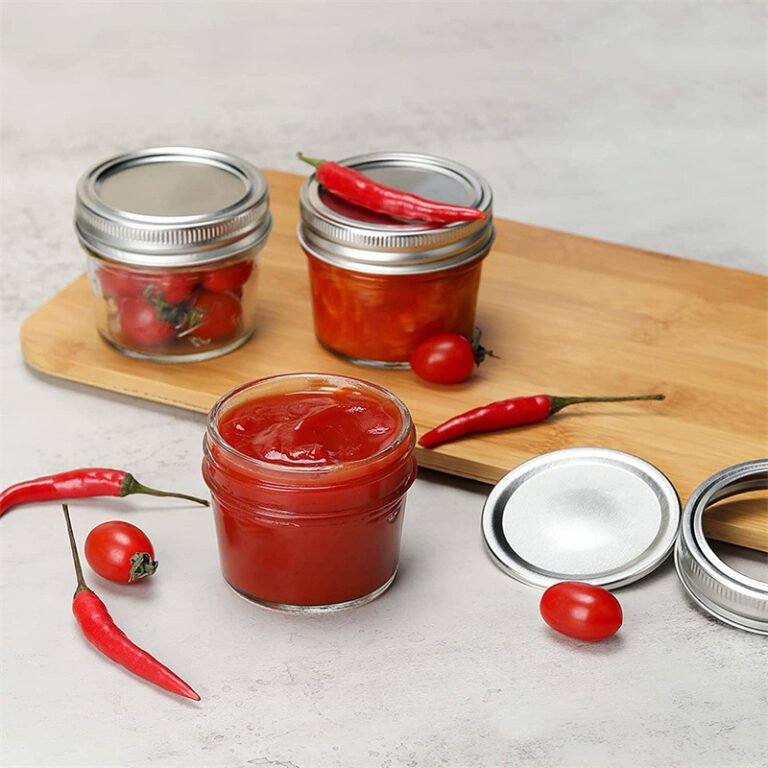
This article explores nine versatile uses for Mason jars in the kitchen, including pantry organization, overnight oats, salad preparation, spice storage, herb preservation, fermentation, smoothies, baking prep, and food gifting.
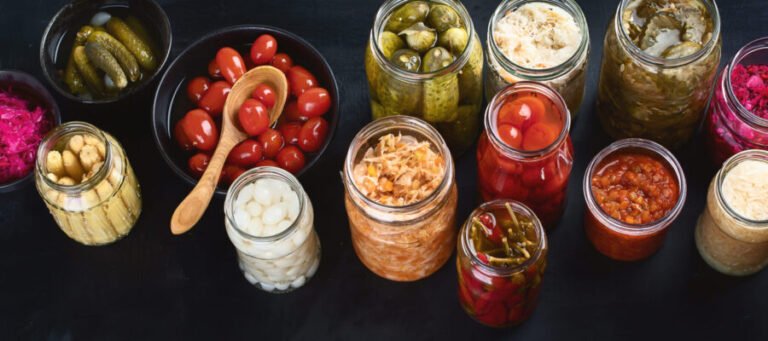
This guide covers optimal food storage methods using glass containers for different food types—including dry goods, liquids, fresh produce, and frozen foods—emphasizing safety, visibility, and sustainability.
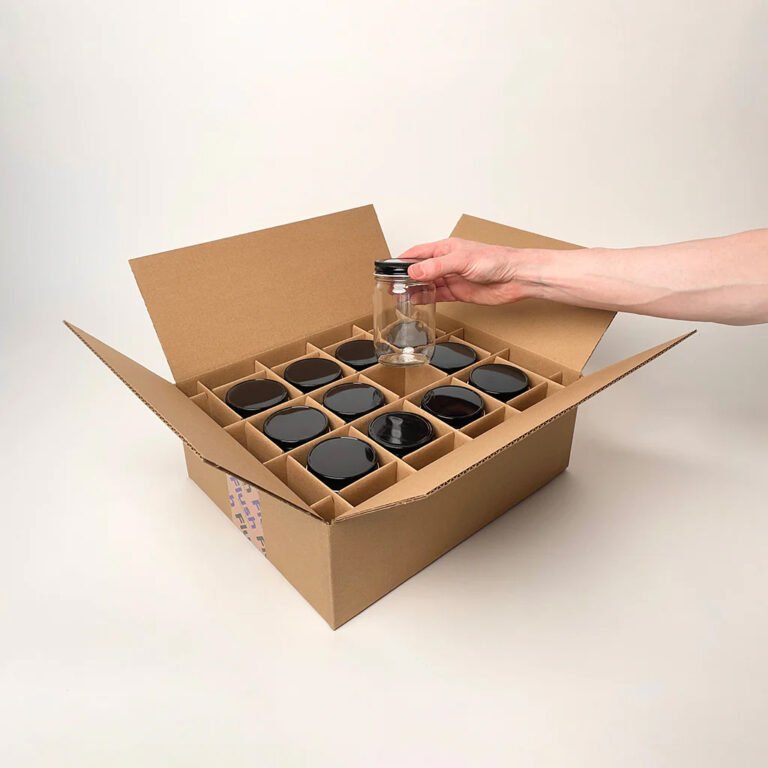
This article explains the comprehensive packaging process at XUZHOU TROY, detailing how glass containers are protected through customized cushioning, secure sealing, clear labeling, and sustainable materials to guarantee safe delivery.
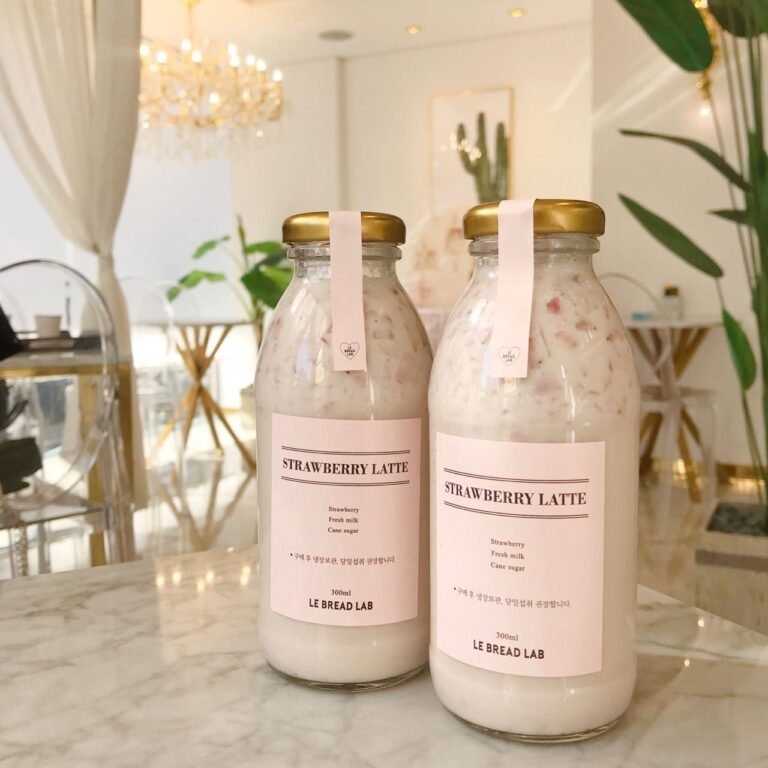
This comprehensive guide explores juice bottle sizing, shape selection, and design trends for 2025. Learn how to choose packaging that enhances brand identity, meets consumer needs, and leverages current market preferences for successful product positioning.