Our Location
304 North Cardinal St.
Dorchester Center, MA 02124


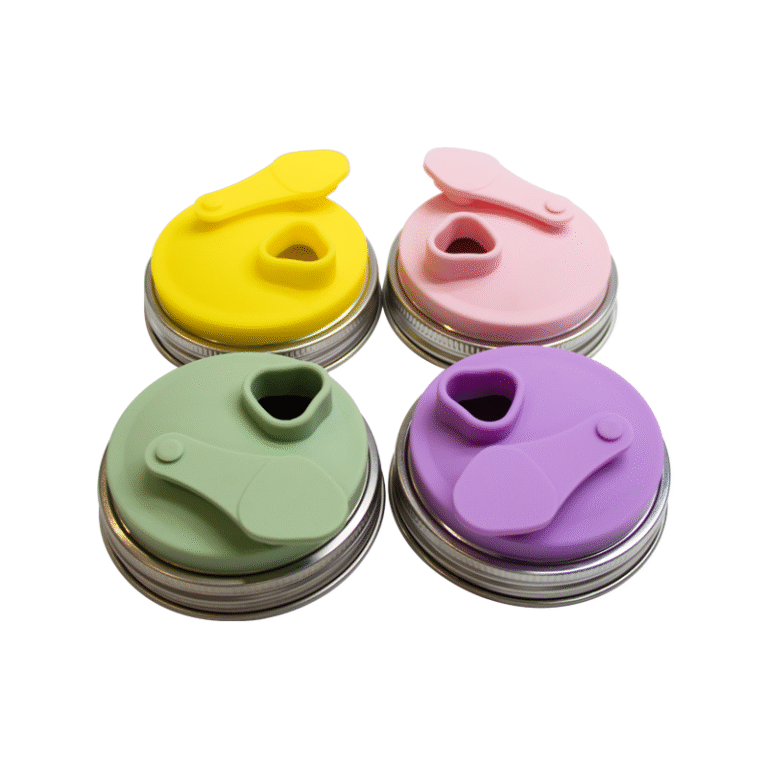
Discover XUZHOU TROY’s innovative Mason jar lids designed for freshness, convenience, and style. Download our free PDF catalog to explore the full collection.
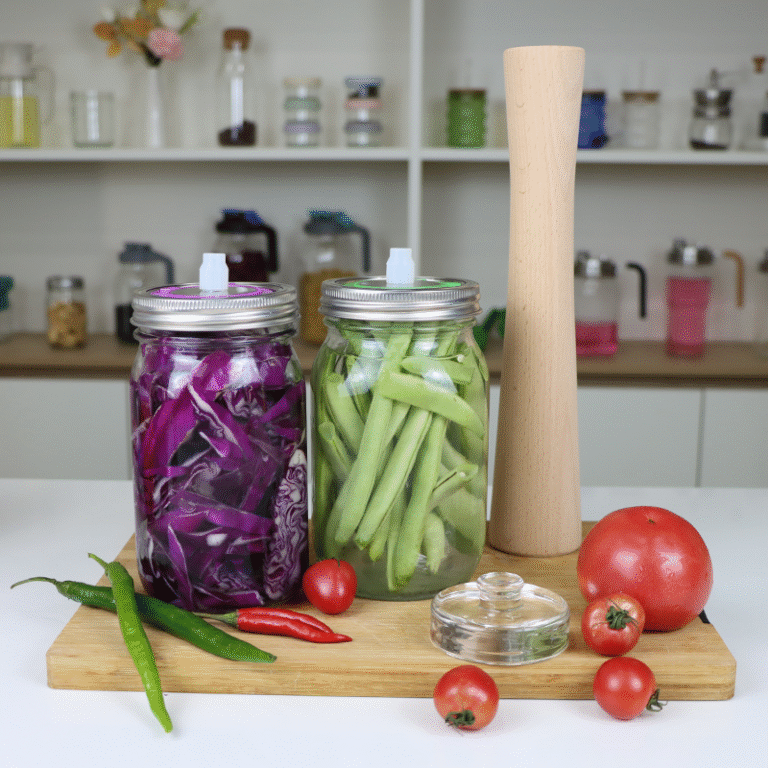
This case study explores the engineering and design of XUZHOU TROY's latest innovation: the Date-Tracking Fermentation Seal Cover. By combining medical-grade SS304 stainless steel with a high-precision PP date tracker and a one-way silicone air valve, this product solves the two biggest challenges in home fermentation—gas management and timeline tracking. Designed for 86mm wide-mouth Mason jars, it offers a professional-grade solution for health-conscious consumers worldwide.
Xuzhou TROY Glass Co., Ltd. enhances its global export capabilities with premium, customizable Mason jars and glass packaging. Featuring in-house mold development, FDA-compliant materials, and MOQs from 5,000 pcs, the Jiangsu-based manufacturer supports private label and OEM clients worldwide.
Discover how XUZHOU TROY's 86mm Flip Pour Lid combines smart design, a silicone sealing ring, and customization to deliver a drip-free, airtight pouring experience for wide-mouth Mason jars.
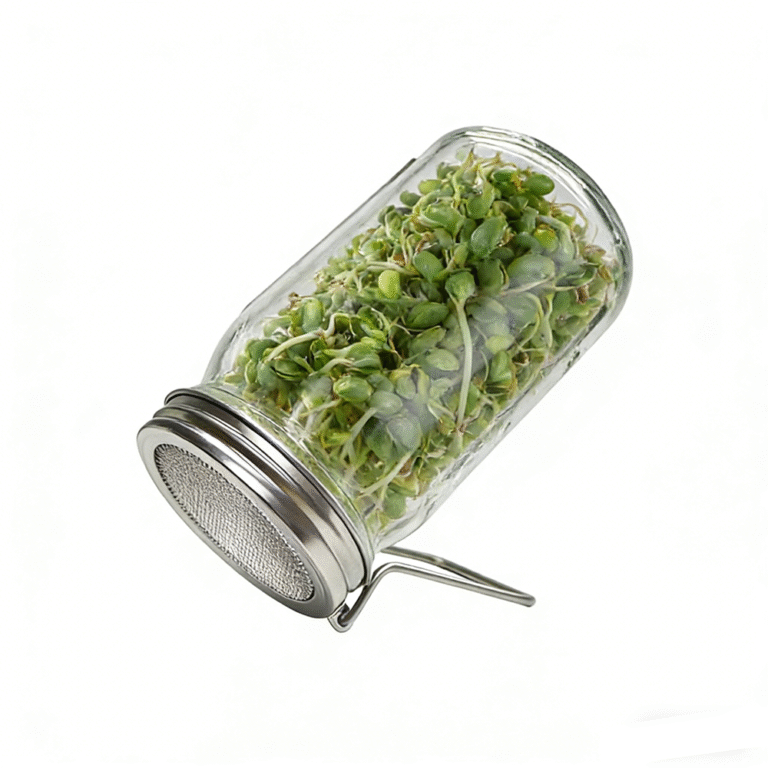
Sprout smarter with XUZHOU TROY's upgraded sprouting lid featuring a built-in stainless steel stand. Eliminate extra accessories, simplify cleanup, and grow fresh sprouts right in your mason jar.
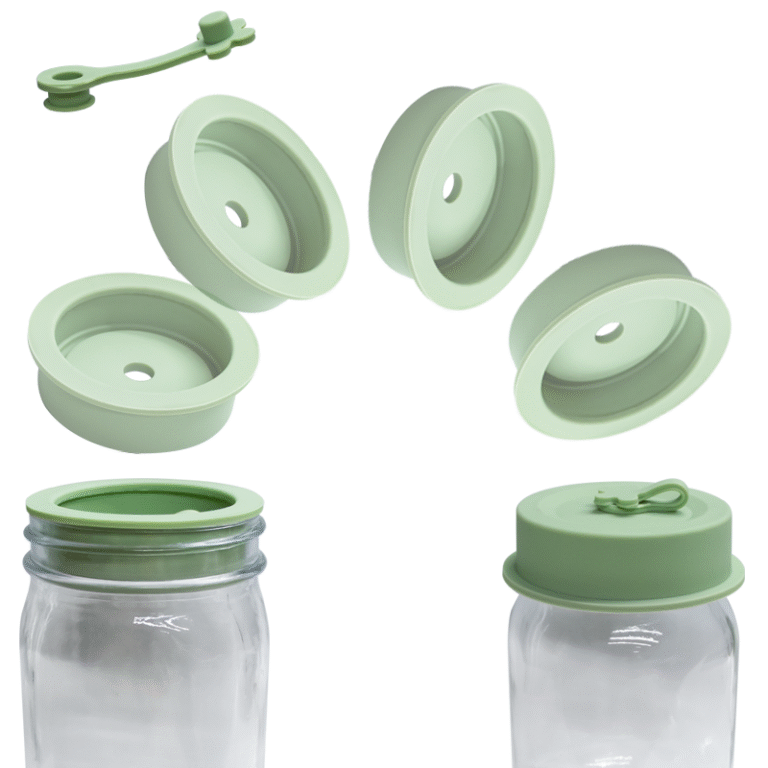
No more searching for the right lid. XUZHOU TROY's FlipFit silicone lid works two ways: one side fits Regular Mouth jars, the other fits Wide Mouth jars. Includes a removable stopper and is 100% food-safe.
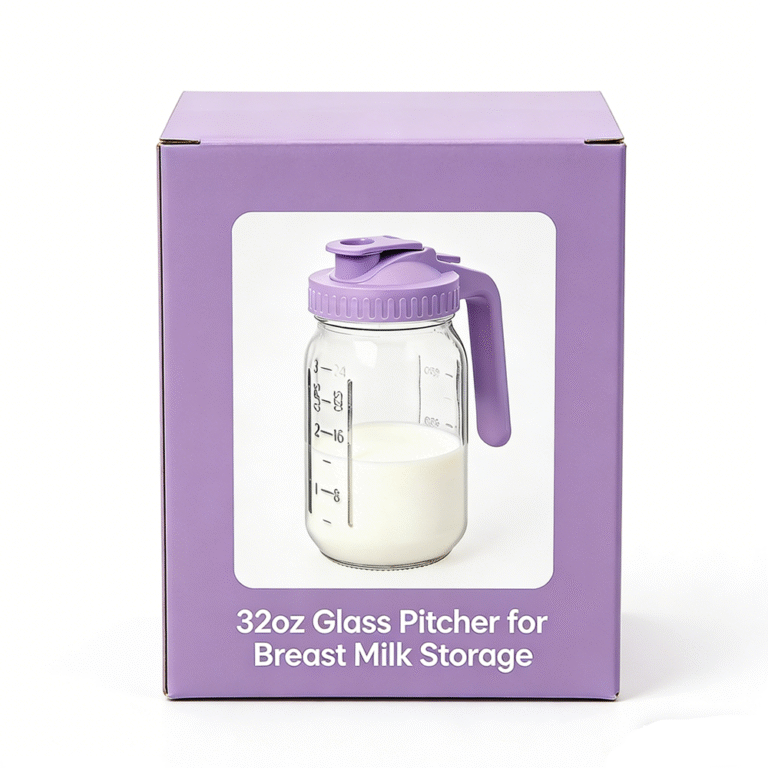
Organize and store breastmilk safely with our 32oz food-grade pitcher, now offering customizable lid colors to match your style or brand. Ideal for pumping parents seeking both functionality and personalization.
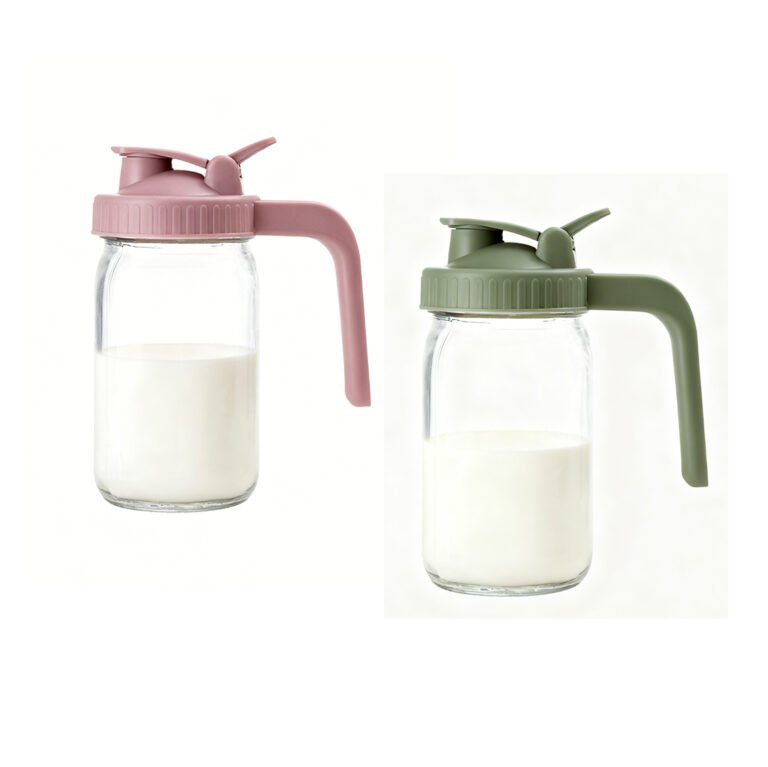
Discover how the pitcher method can help you store breastmilk more efficiently, reduce bottle clutter, and simplify your pumping routine—all while keeping milk fresh and safe.
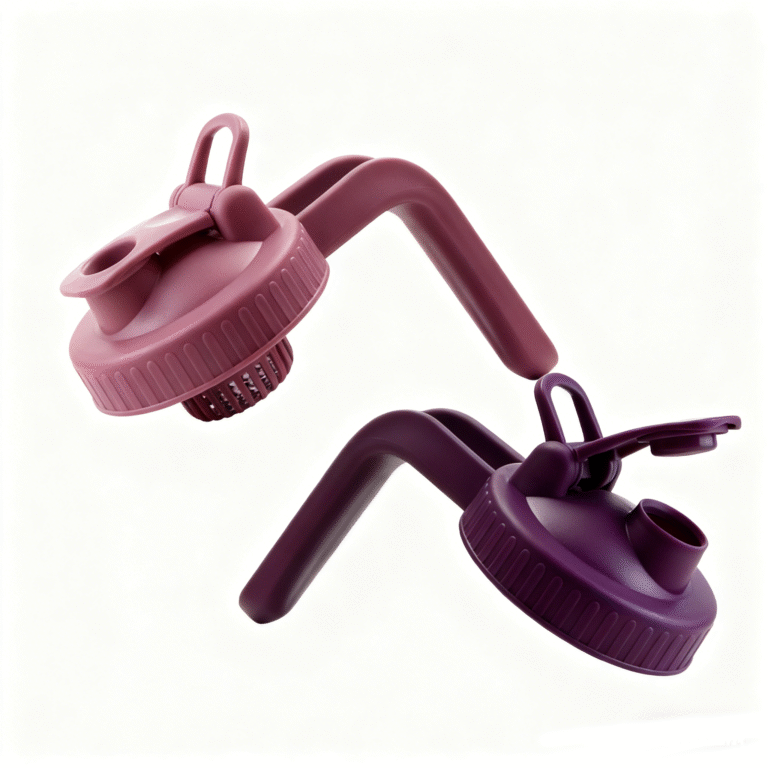
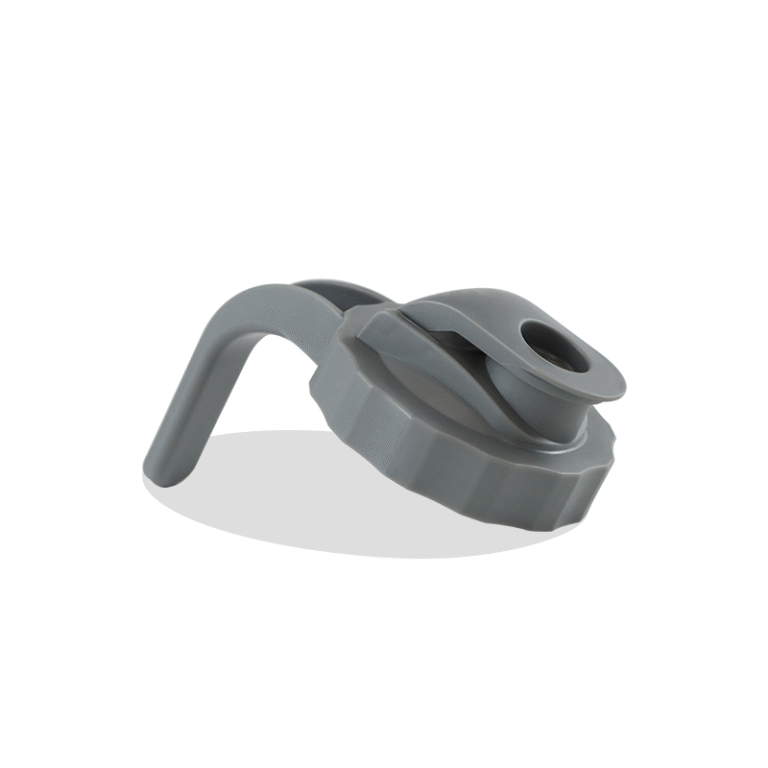
Say goodbye to spills and strained hands. XUZHOU TROY’s improved 86mm flip pour lid offers a comfortable grip, leak-proof design, and built-in filter—making your mason jar smarter and more functional than ever.
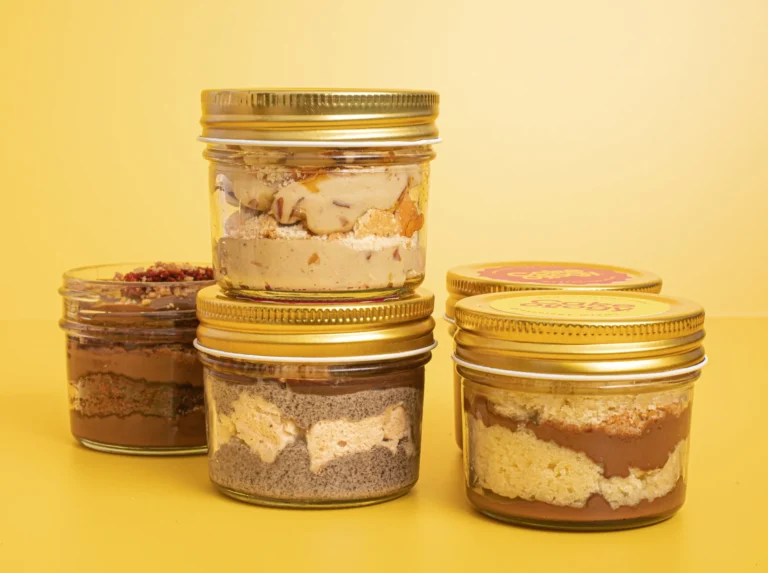
Discover the definitive guide to XUZHOU TROY's premium Mason Jar collection. This article details our wide range of soda-lime glass jars—from classic regular mouth to wide mouth, amber UV-protective, and custom shapes. Learn about capacities, commercial applications, compatible lids, and why our quality makes us a leading supplier for global brands. Perfect for buyers sourcing reliable, versatile glass packaging.