Our Location
304 North Cardinal St.
Dorchester Center, MA 02124

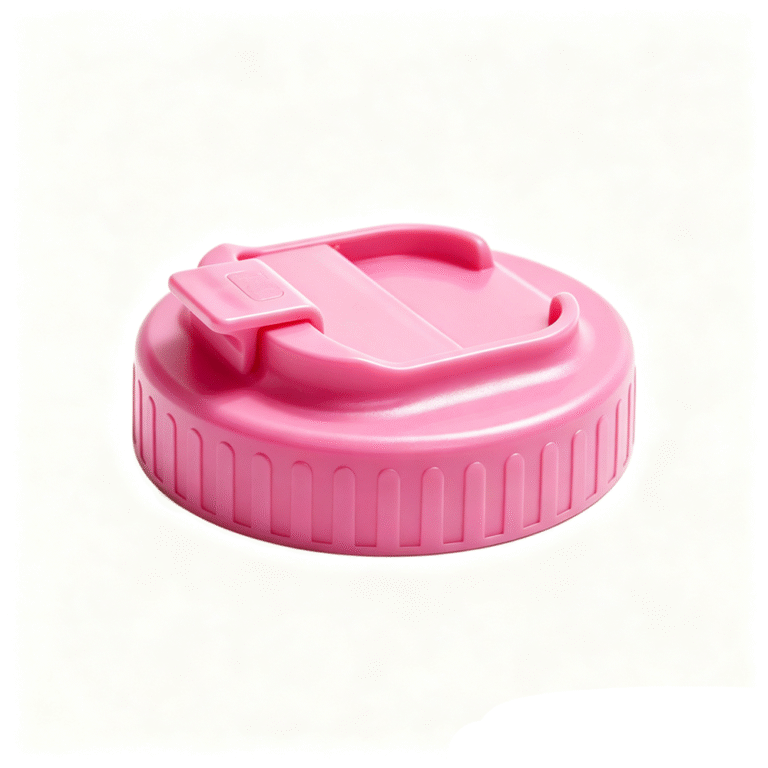
A flip-top lid with a handle is a great idea until it snaps. We’re diving into the "White Line of Death"—the science of material fatigue in plastic hinges and why a "wobbly" handle ruins your brand's premium feel.
When you’re browsing a catalog, a plastic flip-top lid with a handle looks like a genius upgrade. It turns a heavy, slippery 32oz glass jar into a manageable pitcher. You order a few thousand, the “lifestyle” photos look great, and you start shipping to customers.
Then, the feedback starts coming in—and it’s not about the seal. It’s about “The Snap.”
A customer goes to pull their jar out of the fridge, the handle “groans,” a tiny white line appears on the plastic hinge, and crack—the lid is in their hand, but the jar is on the floor. At XUZHOU TROY, we call this “Material Fatigue,” and it’s the secret reason why cheap plastic lids are a brand’s worst nightmare.
Have you ever bent a piece of cheap plastic and seen a chalky white line appear at the bend? That is the plastic physically screaming. In the industry, we call it Stress Whitening.
It happens because the factory used “Regrind” (recycled scrap plastic) instead of Virgin Polypropylene (PP). Recycled plastic loses its “memory” and elasticity. For a flat lid, it’s fine. But for a Living Hinge—that tiny strip of plastic that has to bend thousands of times—regrind is a death sentence. It’s brittle, it’s stiff, and it’s only a matter of time before it snaps.
Then there’s the handle itself. A full 32oz (1L) Mason jar is heavy—nearly 3 pounds (1.4kg).
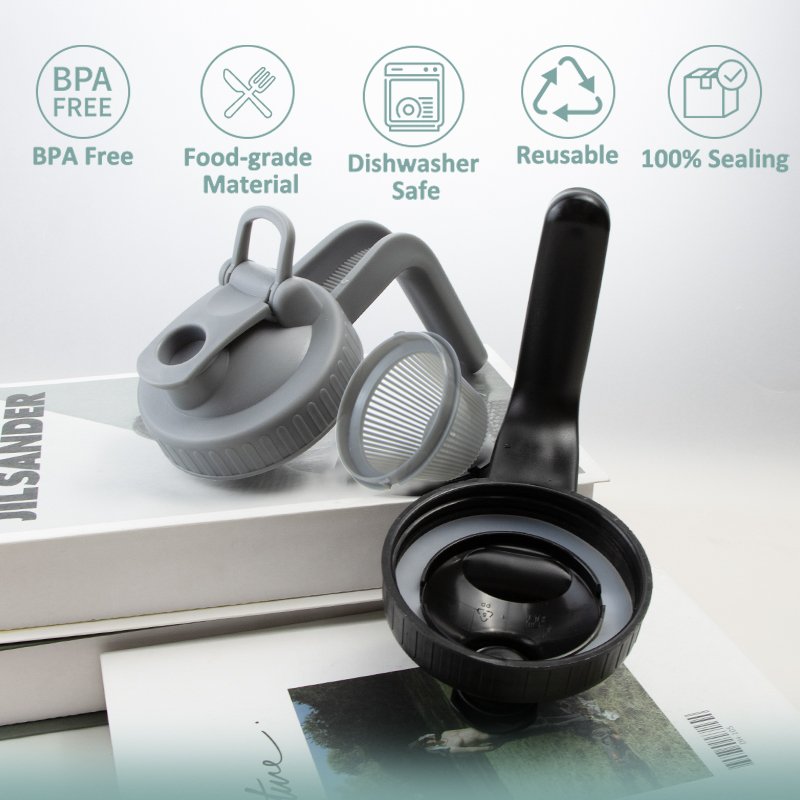
How do you know if your handles are “Boutique Quality” or “Bargain Basement” before you ship them? Try the Pinky Stress Test.
At XUZHOU TROY, we know that Mason jars are heavy, so we treated the handle like a piece of structural engineering.
In the world of reusables, “Durability” is the ultimate marketing. If a customer has to throw away a lid after a month because the handle snapped, they won’t just blame the lid—they’ll blame the brand that sold it to them.
Tired of “Snap-Off” complaints and flimsy samples? We hear you. At XUZHOU TROY, we build handles that hold the weight. Let’s get you some samples that actually pass the Pinky Stress Test.