The “Heart-Stop” Line: Why Your Mason Jars Look Cracked (But Aren’t)

It looks like a lightning bolt on the base of your jar. Is it a crack? Probably not. We’re diving into the world of "Baffle Marks"—the harmless mold scars that cause massive customer service headaches and how to spot the difference.
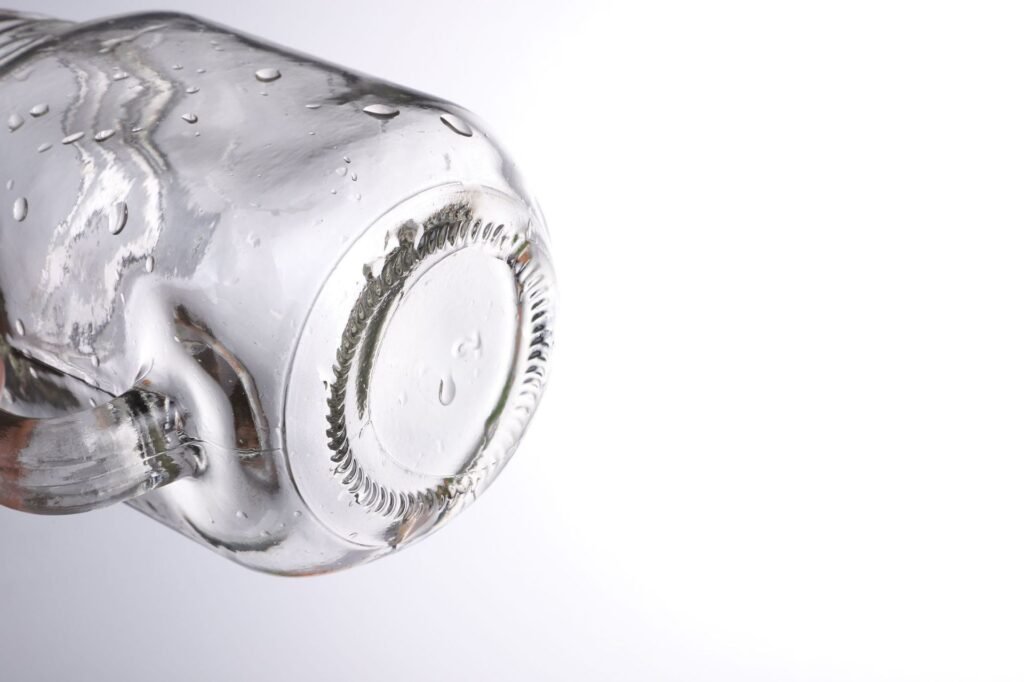
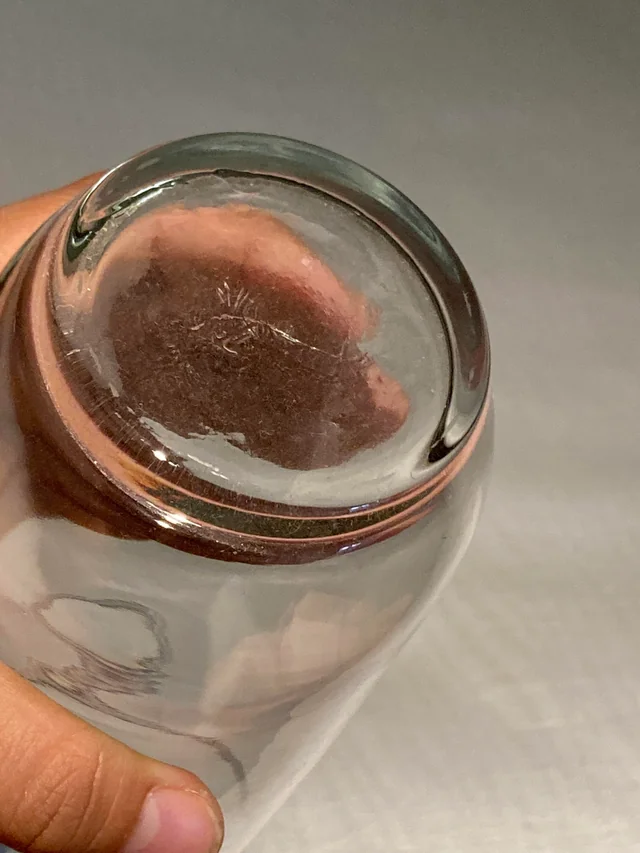
You’ve just unboxed a fresh sample or a new shipment. You’re holding the jar up to the light, admiring the clarity, when you see it: A jagged, wavy line running across the bottom of the jar.

Your heart stops. You run your finger over it. You think, “Is this a crack? Did the whole pallet shatter in transit? Am I about to put boiling jam into a ticking time bomb?”

At XUZHOU TROY, we get the “emergency” emails about this all the time. In the industry, we call this a Baffle Mark (or a Baffle Wave). It’s not a crack, and it’s not a defect—but to an end-consumer, it looks like a disaster waiting to happen.

What Exactly is a "Baffle Mark"?

Think of a Mason jar’s birth. Before it’s a jar, it’s a glowing, molten “gob” of glass. That gob is dropped into a preliminary mold, and a metal plate called a Baffle closes over the top to blow air in.

The “Heart-Stop” line is simply the seam where that baffle plate met the mold. If the temperature of the metal plate isn’t perfectly synced with the molten glass, or if the plate is a millisecond slow to close, it leaves a “scar.” It’s a purely cosmetic ripple on the surface of the base. It’s structurally sound, but it’s a visual nightmare for anyone who doesn’t know what it is.

The Customer Service Nightmare

If you’re a buyer selling to home canners or candle makers, these marks are a silent drain on your profits. Why? Because consumers don’t trust them.

  • The “Return” Cycle: A customer sees that wavy line at the bottom of their salsa jar and thinks it’s going to explode in the pressure canner. They return it.

  • The “Explaining” Fatigue: Your customer service team spends hours writing emails explaining that “No, it’s not a crack, it’s just a mold mark.”

Even if the jar is safe, if you have to explain why it looks broken, you’ve already lost the “premium” feeling of your brand.

The "Fingertip Test" (How to Tell the Difference)

How do you know if you’re looking at a harmless baffle mark or a genuine, dangerous crack? Try the Fingertip Test.

  1. Feel it: A baffle mark is usually a smooth “wave” on the outside surface. You can feel a ripple, but it’s not sharp.

  2. The Light Test: Hold the jar up and tilt it. A real crack will reflect light like a mirror from inside the glass. A baffle mark is just a shadow on the surface.

  3. The Sound: Tap the base with a wooden spoon. A jar with a baffle mark will ring like a bell. A cracked jar will thud.

At XUZHOU TROY, we hate baffle marks as much as you do. While they are technically “allowable” in the glass industry, we know they are a branding killer.

We minimize these “ghost cracks” by obsessing over Baffle Timing. We use high-speed sensors to ensure the baffle plate slams shut at the exact microsecond the glass is ready. We also pre-heat our baffle plates to a specific temperature so they don’t “shock” the glass and leave a scar. We want the bottom of your jar to be as boring and smooth as possible.

In the world of glass, you shouldn’t have to spend your day defending your product’s safety. A jar that looks cracked is a jar that doesn’t sell.

Tired of “ghost cracks” ruining your shipment? We hear you. At XUZHOU TROY, we work hard to keep the baffle marks invisible so your customers can focus on what’s inside. Let’s get you some samples that actually look as strong as they are.

CONTACT OUR TEAM >>