Pure by Design: Navigating Heavy Metal Safety and Prop 65 Compliance in Glass Packaging

In the world of food safety, what you can't see matters most. We explore the critical importance of heavy metal testing in glass manufacturing, explaining the risks of lead leaching and how XUZHOU TROY’s rigorous testing protocols protect your brand from legal and health risks.

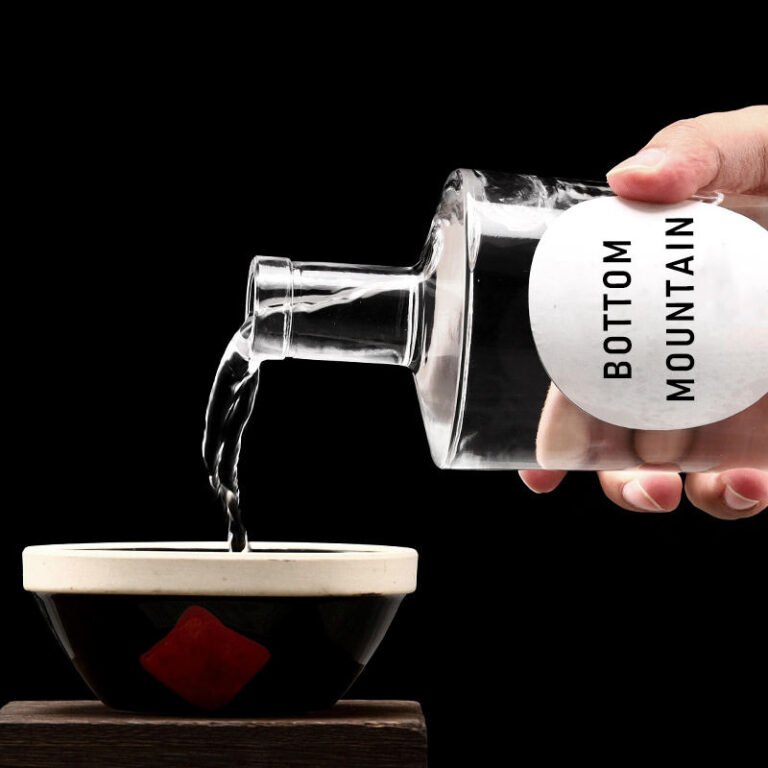
In the food, beverage, and cosmetic industries, the container is as much a part of the product as the ingredients inside. While glass is widely recognized as the “Gold Standard” for safety—being non-porous and chemically inert—not all glass is created equal. For B2B buyers, the “invisible” threat of heavy metal contamination, specifically Lead (Pb) and Cadmium (Cd), is a critical legal and ethical concern.

At XUZHOU TROY, we understand that your brand’s reputation rests on the purity of our glass. Here is how we ensure every Mason jar meets the world’s strictest safety standards, from the FDA to California’s Proposition 65.

1. The Source of Contamination: Why It Happens

Glass is made from natural minerals, but impurities can sneak into the production line in two ways:

  • Impure Raw Materials: Lower-grade silica sand or limestone can contain trace amounts of heavy metals.

  • Unregulated Cullet (Recycled Glass): While recycling is essential for sustainability (as discussed in our previous articles), using post-consumer glass from unknown sources can introduce contaminants, such as lead from old crystal or electronic glass.

2. The Risk: Leaching into the Product

Heavy metals are not just a “surface” issue. If a jar contains high levels of lead, acidic contents—such as pickles, kombucha, or citrus-based skincare—can cause these metals to leach out of the glass matrix and into the product.

  • Health Impact: Chronic exposure to lead and cadmium is a serious health risk, particularly for children and pregnant women.

  • Legal Impact: In markets like California, the Proposition 65 regulation requires a “Clear and Reasonable Warning” on any product containing detectable levels of toxic chemicals. Failure to comply can result in massive fines and forced product recalls.

3. The XUZHOU TROY Safety Protocol

At our facility in Xuzhou, we treat heavy metal safety as a foundational engineering requirement, not an afterthought.

  • Supplier Auditing: We only source raw materials from vetted mines that provide certified mineral analysis.

  • Cullet Purification: We utilize high-purity internal cullet and strictly sorted external cullet to prevent “cross-contamination” from toxic glass types.

  • Laboratory Testing: Our jars undergo regular Leachable Lead and Cadmium testing (ASTM C927 or equivalent) using acetic acid immersion to simulate real-world food contact.

  • Full Certification: We provide our B2B partners with a Certificate of Analysis (COA) and third-party lab reports (SGS/Intertek) confirming compliance with FDA 21 CFR and EU 10/2011 standards.

4. Why Compliance is Your Best Marketing Tool

For a wholesaler or a brand owner, “Safe Glass” is a powerful selling point.

  • Market Entry: Many major retailers (such as Whole Foods or Walmart) require strict documentation of heavy metal testing before allowing a product on their shelves.

  • Consumer Trust: In an era of “Clean Label” movements, being able to state that your packaging is BPA-Free, Lead-Free, and Cadmium-Free builds instant rapport with health-conscious consumers.

  • Liability Protection: By sourcing from a compliant manufacturer like XUZHOU TROY, you eliminate the risk of a legal nightmare under Prop 65.

Safety You Can Count On

At XUZHOU TROY, we don’t just manufacture Mason jars; we protect your peace of mind. By combining the highest-purity raw materials with rigorous chemical testing, we ensure that the only thing your customers taste is your product—not the packaging.

Does your current supplier provide certified lead-free documentation? Don’t risk your brand’s future. Contact XUZHOU TROY today for a copy of our latest heavy-metal safety reports.

CONTACT OUR TEAM >>