The Green Cycle: How Cullet Integration Powers Sustainable Mason Jar Manufacturing

Is your packaging as sustainable as your product? We explore the "Green Cycle" of glass manufacturing—explaining how using cullet (recycled glass) lowers furnace energy, reduces carbon footprints, and why XUZHOU TROY is the leader in eco-friendly Mason jar production.

In today’s global market, sustainability is no longer a “nice-to-have” feature; it is a core requirement for brand survival. As consumers move away from single-use plastics, the demand for glass has surged. However, savvy B2B buyers are looking deeper into the supply chain. They are asking: How much energy was used to make this jar? What is its carbon footprint?

At XUZHOU TROY, the answer lies in our sophisticated use of Cullet—recycled glass that is crushed and ready to be remelted. Here is why the “Cullet Ratio” is the most important sustainability metric in modern glass manufacturing.

1. What is Cullet?

Cullet is glass that has been diverted from the waste stream or recovered from the manufacturing process. At our Xuzhou facility, we utilize two types:

  • Internal Cullet: Glass from jars that didn’t meet our 100% quality standard. Instead of being discarded, they are immediately crushed and sent back to the furnace.

  • External Cullet: Post-consumer glass that has been cleaned and sorted by color.

2. The Energy Equation: Lowering the Melting Point

Glass is made of silica sand, soda ash, and limestone. Melting these raw materials requires a furnace temperature of roughly 1,500°C (2,700°F).

  •  
  • The Cullet Advantage: Recycled glass melts at a much lower temperature than raw sand. For every 10% increase in cullet used in the furnace, the energy required to melt the glass drops by approximately 2-3%.

  • Reduced Emissions: Lower energy consumption leads directly to lower CO2 emissions. For every ton of cullet used, we save 1.2 tons of virgin raw materials and significantly reduce the carbon footprint of every Mason jar we produce.

3. The Challenge: Balancing Sustainability with Clarity

The biggest fear for a B2B buyer is that “recycled” means “impure.” In low-end factories, high recycled content can lead to “seeds” (tiny bubbles) or a dark, grayish tint.

  • The TROY Standard: We have mastered the chemistry of Color Correction in high-cullet batches. By using advanced optical sorting for our external cullet and precisely balancing our decolorizing agents (like selenium), we can produce Mason jars with up to 40-50% recycled content that remain virtually indistinguishable from 100% virgin glass in terms of clarity and brilliance.

4. Meeting Global Sustainability Goals (ESG)

For our partners in the US and Europe, sourcing from XUZHOU TROY helps meet strict ESG targets:

  • Life Cycle Assessment (LCA): Our use of cullet improves the LCA of your final product, making it more attractive to eco-conscious retailers like Whole Foods or specialized organic markets.

  • Infinite Recyclability: Unlike plastic, which degrades every time it is recycled, glass is 100% recyclable, forever. By using cullet, we are participating in a “Closed-Loop” economy.

5. Why It Matters for Your Brand

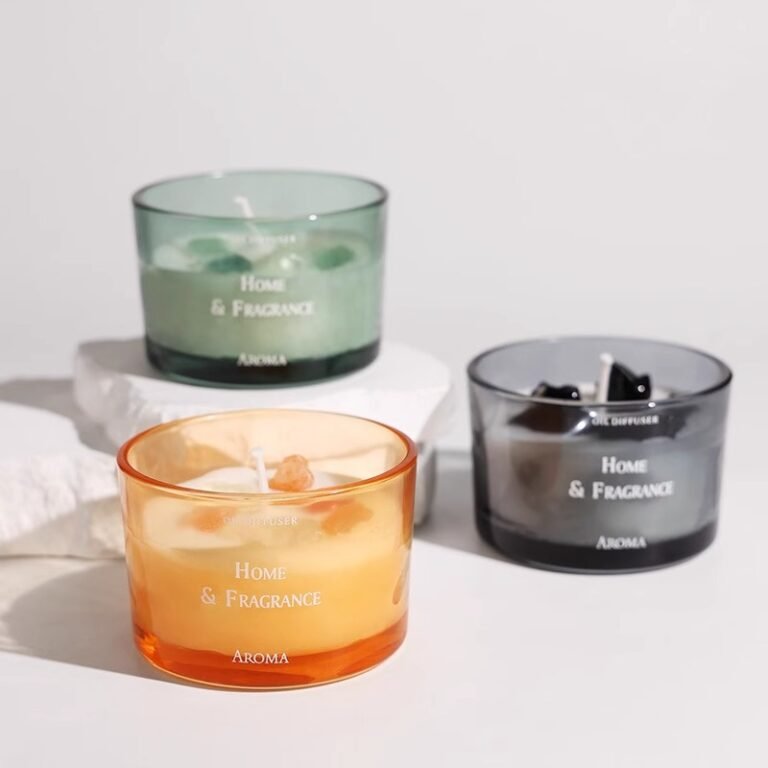
When you market your product in a XUZHOU TROY Mason jar, you aren’t just selling a container; you are selling a story of environmental stewardship. Whether you are a candle maker using soy wax or a food brand selling organic preserves, the “recycled glass” story adds a layer of authenticity that resonates with the modern consumer.

At XUZHOU TROY, we believe that the future of glass is circular. By investing in cullet-processing technology and energy-efficient furnaces, we provide our B2B partners with the highest quality Mason jars—without costing the earth.

Is your brand ready to switch to a more sustainable packaging partner? Contact XUZHOU TROY today to learn more about our eco-friendly manufacturing processes and recycled glass options.

CONTACT OUR TEAM >>