Beyond Aesthetics: The Surprising Science of Colored Mason Jars

Is your glass jar protecting your food or destroying it? We dive into the science of photodegradation to explain why the color of your Mason jar—from vintage blue to deep amber—matters more for food freshness than you might think.

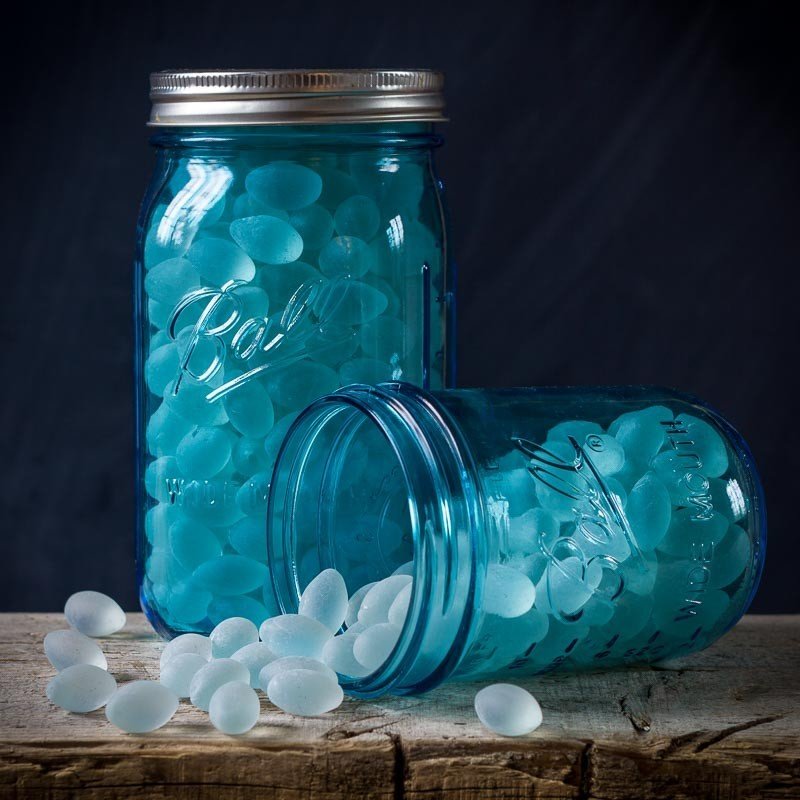
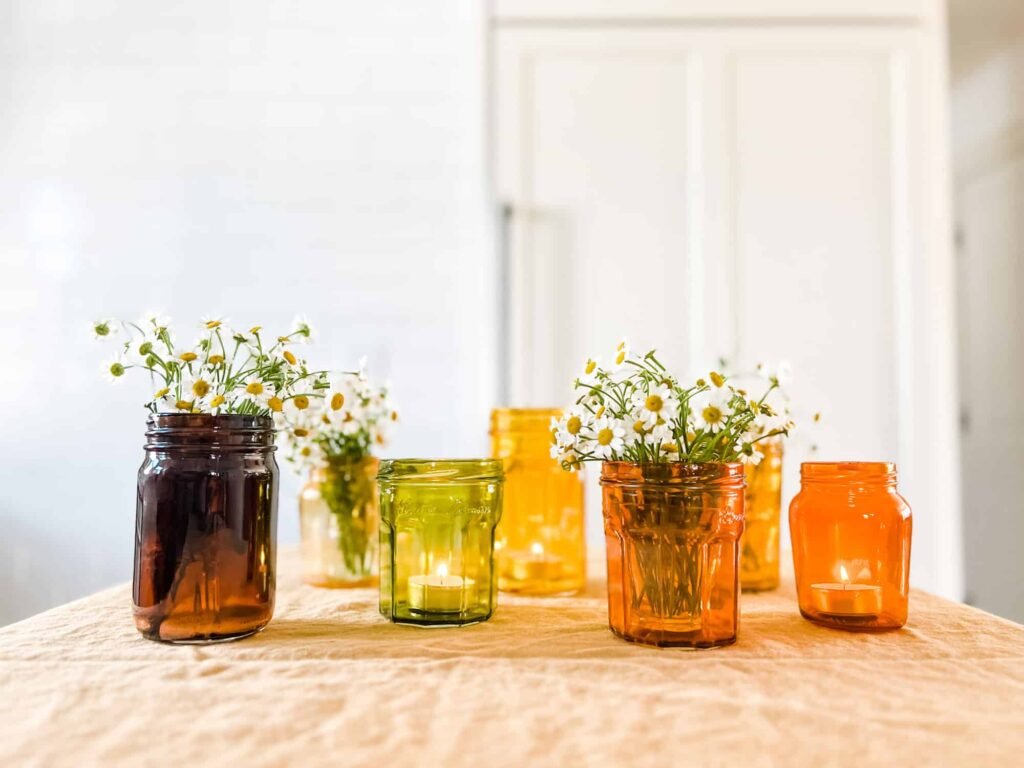
When you browse the aisles of a home goods store or look through the WETROYES collection, you’ll notice Mason jars come in a variety of hues—from the classic crystal clear to vintage aqua blue and deep amber.

Most people choose a color based on their kitchen decor. However, in the world of food preservation and apothecary, the color of a glass jar is a functional tool. It’s not just about looking “retro”; it’s about UV protection.

The Enemy of Freshness: Photodegradation

Have you ever noticed that olive oil or high-end beer almost always comes in dark green or amber bottles? This isn’t a coincidence. It is to prevent photodegradation.

Light—specifically Ultraviolet (UV) light—carries enough energy to break down chemical bonds in food, herbs, and oils. This process can:

  • Destroy vitamins (especially Vitamin C and Riboflavin).

  • Oxidize fats, making oils go rancid.

  • Bleach the vibrant colors of dried spices and tea leaves.

  • Alter the flavor profile of delicate ferments.

The Spectrum of Protection
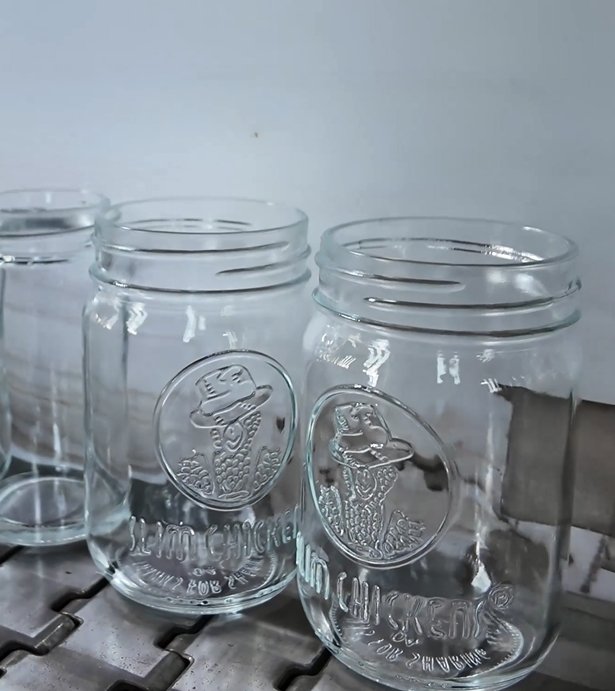
1. Clear Glass: The "Display" Master

Clear jars are the most popular because they offer 100% visibility. They are perfect for showing off colorful layers of a salad, the texture of sourdough starter, or dry pasta.

  • Best Use: Items with high turnover (things you eat quickly) or storage in dark pantries.

  • The Downside: They offer zero protection against light damage.

2. Aqua & Blue Glass: The "Vintage" Compromise

Historically, many old Mason jars had a blue tint (like the famous Ball Blue) because of iron impurities in the sand used for glassmaking. While beautiful, blue glass offers only minimal UV protection. It filters some infrared light but still allows most UV rays to pass through.

  • Best Use: Aesthetic canning, water storage, or dry goods kept away from direct windows.

3. Amber Glass: The "Preservation" Powerhouse

Amber is the gold standard for long-term storage. Amber glass blocks nearly all UV light (wavelengths shorter than 450nm).

  • Best Use: Dried herbs, medicinal tinctures, essential oils, and hops. If you are storing expensive spices or light-sensitive ferments like kombucha, amber is your best friend.

  • The Science: It acts as a natural sunblock for your food, significantly extending the shelf life and potency of the contents.

Choosing the Right Jar for Your Project

At WETROYES MASON JARS, we believe that a jar should be as functional as it is beautiful.

  • If you are showcasing your craft: Stick with Clear. There is nothing more satisfying than seeing your hard work through pristine glass.

  • If you are building a home apothecary or spice rack: Invest in Amber. Your herbs will stay fragrant and potent for months longer than they would in clear glass.

  • If you want a farmhouse vibe: Aqua or Cobalt Blue provides that nostalgic pop of color while offering a slight upgrade in light protection over clear glass.

The next time you select a Mason jar, ask yourself: Where will this jar sit? If it’s on a sunny countertop, go for a darker tint. if it’s inside a dark cupboard, let the clarity of clear glass shine.

CONTACT OUR TEAM >>