Our Location
304 North Cardinal St.
Dorchester Center, MA 02124
This article examines the practical realities of repairing versus replacing GPI caps in professional packaging applications. It analyzes technical limitations, economic considerations, and performance requirements while presenting XUZHOU TROY's quality-focused approach to closure solutions that prioritize reliability, production efficiency, and brand protection.
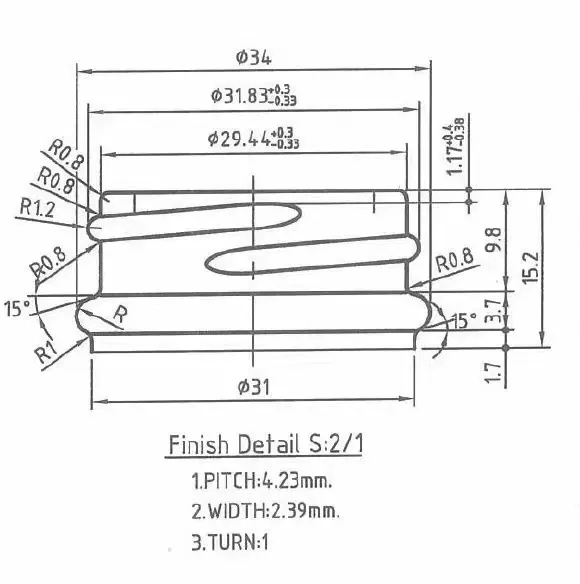
In the world of premium packaging, every component matters—including the closure. As a leading supplier in the glass packaging industry, XUZHOU TROY frequently addresses questions about the maintenance and longevity of GPI (Glass Packaging Institute) caps. Understanding whether to repair or replace these essential components is crucial for businesses focused on quality control, cost optimization, and sustainability. This guide examines the practical realities of GPI cap maintenance within the context of modern production environments.
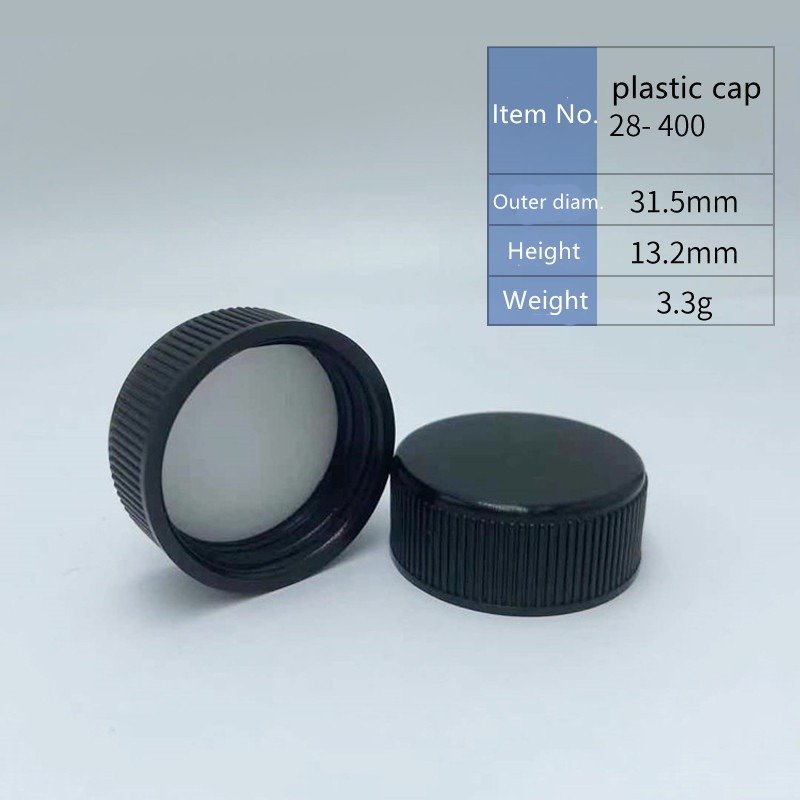
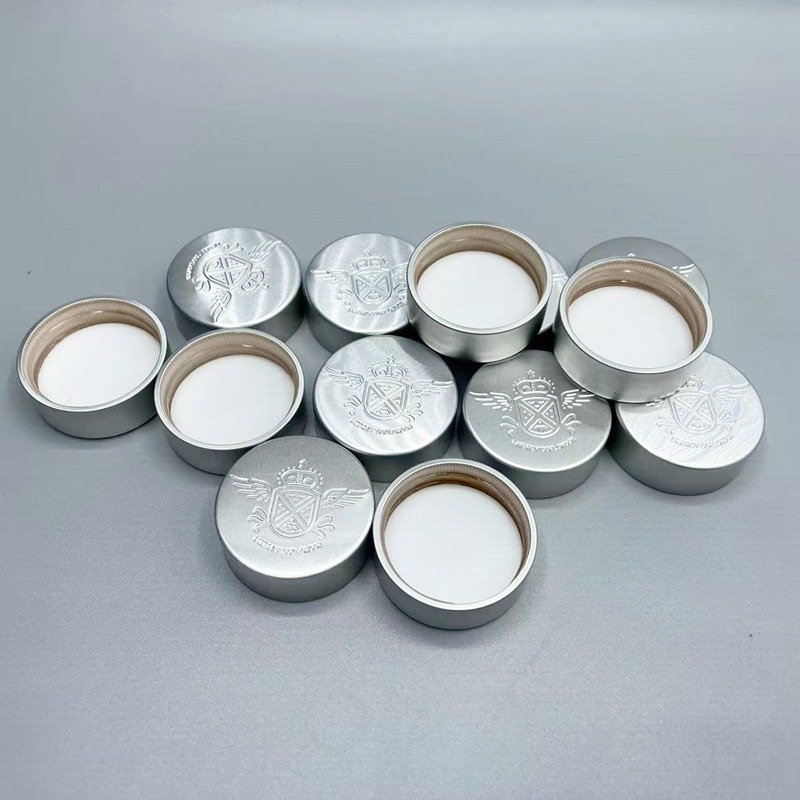
GPI caps represent sophisticated closure systems engineered for specific performance standards. These caps typically feature:
Threaded Engagement Systems: Precision-machined threads designed for consistent torque application and secure sealing
Composite Material Construction: Often combining metal exteriors with polymer or composite liner systems
Sealing Mechanisms: Advanced liners (foam, pulp, plastisol) that create hermetic or tamper-evident seals
Decorative Elements: Embossed logos, printed graphics, or specialty finishes that contribute to brand presentation
At XUZHOU TROY, we recognize that these caps are integral to the complete packaging solution—they’re not merely functional components but brand touchpoints that influence consumer perception.
Material-Specific Challenges:
Metal Components: While minor surface scratches might be cosmetically addressable, structural damage to threads or sealing surfaces typically compromises the cap’s functional integrity beyond practical repair
Polymer Elements: Plastic components may develop stress fractures or deformation that cannot be reliably restored to original performance specifications
Liner Systems: Once compromised, sealing liners cannot be effectively replaced outside factory conditions
Performance Considerations:
Seal Integrity: Even visually successful repairs often fail to restore the original sealing performance, risking product contamination or spoilage
Torque Consistency: Repaired caps rarely maintain the precise torque specifications required for automated filling lines
Sanitation Compliance: Repair processes may introduce contaminants or create surfaces that cannot be properly sanitized
Economic Analysis:
Direct Costs: Repair materials, specialized tools, and skilled labor often exceed the unit cost of replacement caps
Indirect Costs: Production downtime, quality control failures, and potential product loss frequently outweigh any theoretical savings
Scale Considerations: While individual repair might seem viable for very small operations, production-scale environments require consistent, reliable components
Rather than focusing on repair, we recommend a preventative strategy:
1. Quality-First Sourcing:
Our GPI caps are manufactured to exacting specifications, ensuring:
Consistent thread engagement and torque performance
Durable materials resistant to typical handling stresses
Reliable sealing systems verified through rigorous testing
2. Proper Application Guidelines:
We provide comprehensive technical support covering:
Correct torque specifications for different bottle types
Equipment calibration and maintenance protocols
Staff training for proper cap application techniques
3. Strategic Inventory Management:
Just-in-time supply arrangements to minimize storage issues
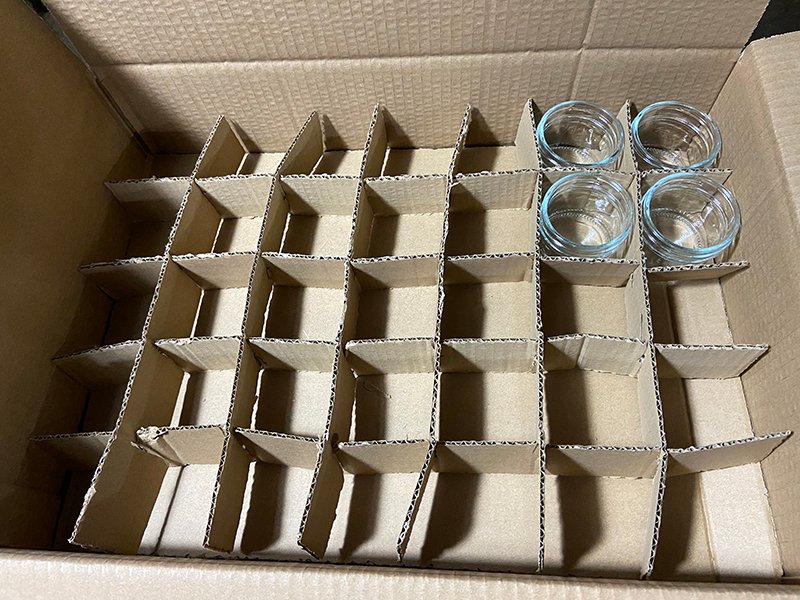
Protective packaging to prevent transit damage
Batch consistency verification before production integration
Certain conditions absolutely necessitate replacement:
Critical Damage Indicators:
Thread Stripping or Cross-threading: Compromises sealing and creates production line issues
Liner Detachment or Degradation: Directly affects product preservation
Structural Deformation: Alters cap dimensions and performance characteristics
Corrosion or Chemical Attack: Particularly relevant for caps used with acidic or alkaline products
Operational Requirements:
Automated Production Environments: Require absolute consistency in cap dimensions and performance
Regulated Industries (Food, Pharma): Mandate traceable, verifiable component integrity
Premium Brand Positioning: Demand flawless visual presentation and performance
We position ourselves as packaging partners rather than mere suppliers:
Technical Consultation:
Cap selection guidance based on specific product characteristics
Compatibility testing with different bottle finishes
Production line optimization recommendations
Quality Assurance:
Rigorous incoming inspection protocols
Batch testing for consistency and performance
Documentation and certification support
Sustainability Integration:
Recyclable material options aligned with circular economy principles
Lightweighting opportunities to reduce material use
Take-back program exploration for certain applications
While the concept of repairing GPI caps might appear economically attractive initially, the realities of performance requirements, production efficiency, and brand protection typically make replacement the only viable option for professional applications. The marginal savings from repair attempts rarely justify the risks of product compromise, production disruption, or brand reputation damage.
At XUZHOU TROY, we believe in providing closure solutions that deliver reliability from the first application through the product’s complete lifecycle. By focusing on quality manufacturing, proper application, and strategic inventory management, businesses can achieve superior results without resorting to problematic repair strategies.
CONTACT OUR TEAM >>