Our Location
Xuzhou, Jiangsu, China
This comprehensive guide examines the critical role of glass packaging in pharmaceutical and nutraceutical industries. It details the advantages of glass containers over plastic alternatives, including chemical inertness, superior barrier protection against moisture/oxygen/UV light, sustainability, and enhanced brand presentation. The article provides practical guidance on selecting appropriate glass bottle sizes based on pill dimensions, types, and regulatory requirements. Additionally, it highlights WETROYES’ capabilities in manufacturing pharmaceutical-grade glass containers with customization options and compliance with international quality standards.
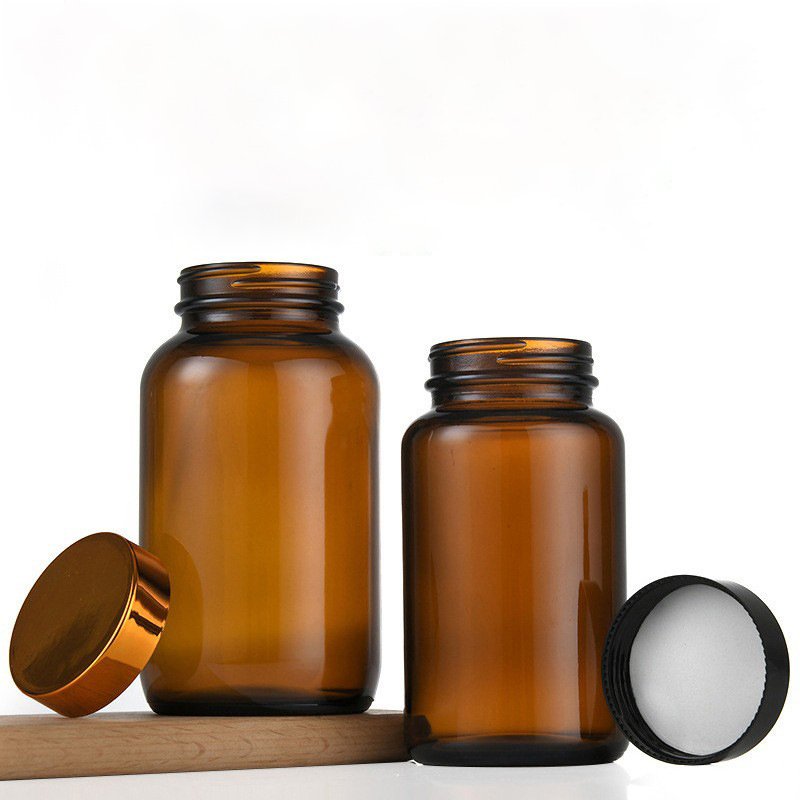
As global health awareness rises alongside an aging population and growing focus on preventive wellness, the pharmaceutical and nutraceutical sectors are experiencing transformative growth. In this landscape, packaging is far more than a simple container—it is a critical preservation system that ensures product safety, potency, shelf life, and brand integrity.
At WETROYES, we specialize in sourcing pharmaceutical-grade glass packaging solutions tailored for medicines, vitamins, supplements, and nutraceuticals. Our expertise lies in creating glass containers that not only meet stringent regulatory standards but also enhance product presentation and consumer trust.
Packaging forms the first impression and establishes immediate consumer confidence. For sensitive healthcare products, glass offers distinct advantages over plastic alternatives, particularly in protecting contents from moisture, UV light, oxygen, and chemical interactions.
Glass is chemically inert and non-reactive, ensuring that medications and supplements maintain their intended potency without risk of leaching or contamination. Unlike some plastics, glass does not interact with sensitive formulations—an essential feature for preserving the efficacy of vitamins, hormones, and specialized nutraceuticals.

Many pharmaceuticals and supplements are hygroscopic or sensitive to oxidation. Glass provides an impermeable barrier against moisture and oxygen, preventing clumping, degradation, and loss of potency. This extends shelf life and ensures consistent product quality from production to consumption.
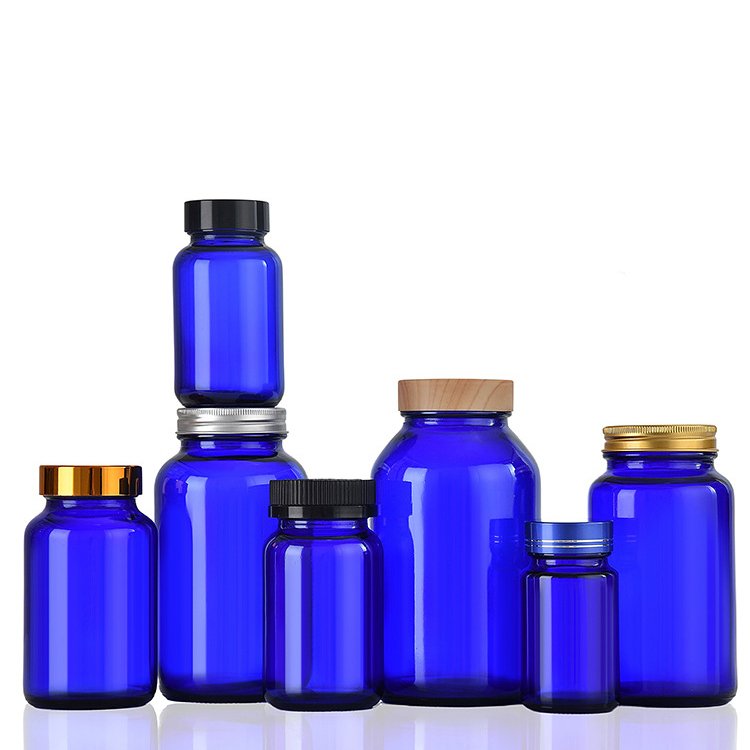
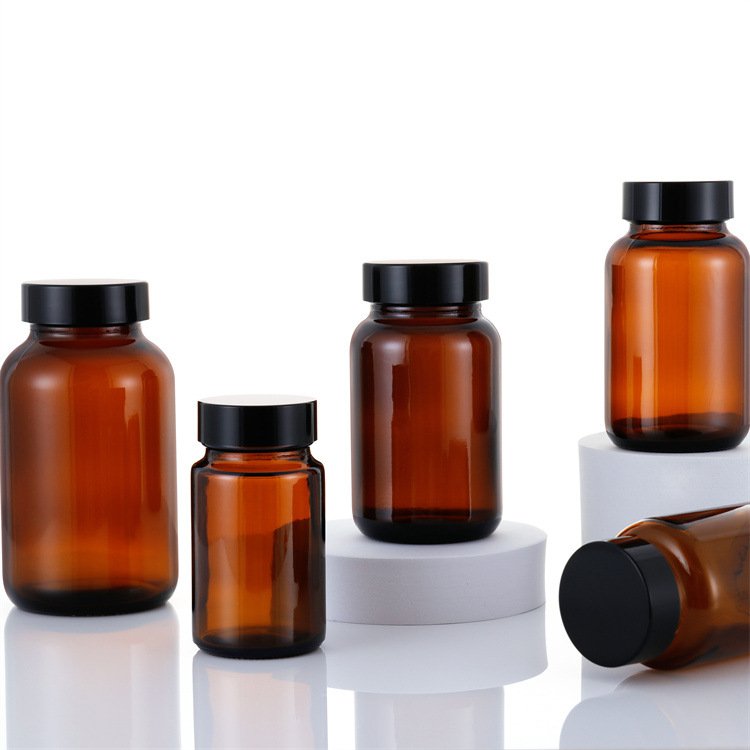
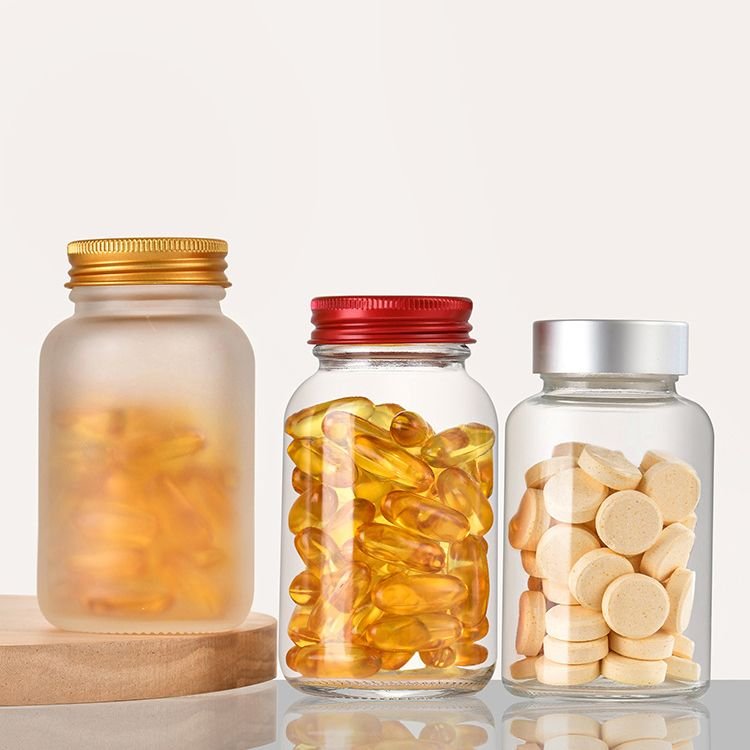
From classic amber and green to modern blue, black, and frosted finishes, tinted glass bottles offer vital protection for light-sensitive compounds. Amber glass, for example, blocks over 99% of harmful UV rays, making it ideal for vitamins, herbal extracts, and photodegradable medications.


Glass is 100% recyclable without loss of purity or quality, aligning with growing consumer demand for sustainable and non-toxic packaging. Its premium appearance conveys quality, safety, and transparency—key values in the health and wellness market.
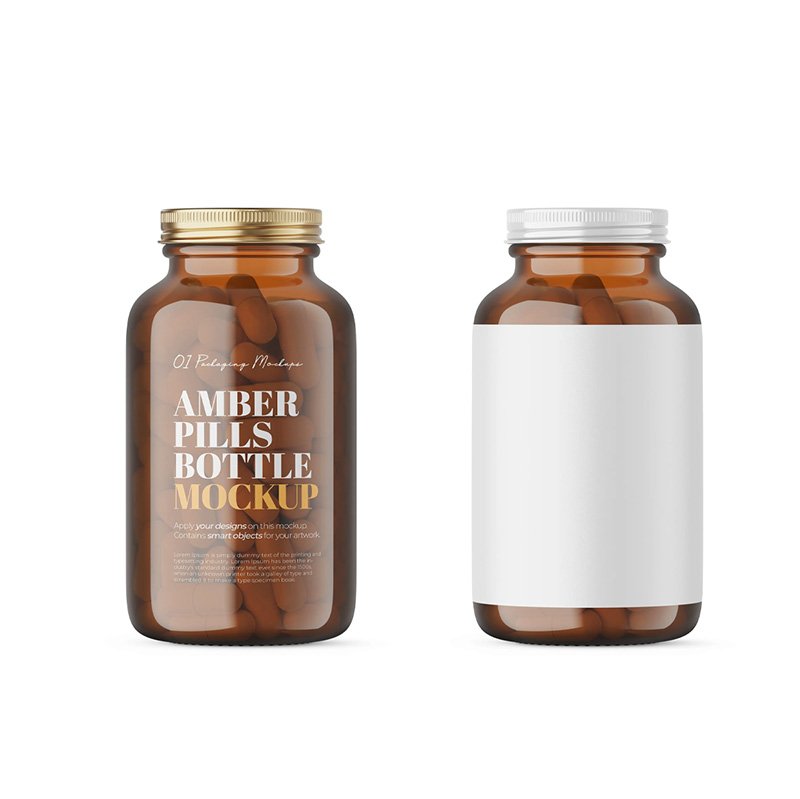
Glass readily accepts high-quality decoration including screen printing, embossing, labeling, and specialty coatings. This allows brands to communicate professionalism, compliance, and premium positioning directly through their packaging.
Choosing the correct glass bottle size is essential for product integrity, patient convenience, and shelf impact. Consider these key factors:
Pill Type and Dimensions
Round/Oval Tablets: Compact and space-efficient
Capsules & Softgels: Often require more volume due to elongated shapes
Oblong/Caplets: Need wider mouth openings for easy access
Scored or Specialty Shapes: May require specific dimensions for functional or branding reasons
Common Pill Sizes and Capacities
| Capsule Size | Approx. Dimensions | Recommended Bottle Size (for 30-count) |
|---|---|---|
| 000 (Large) | 9.91mm x 26.14mm | 120ml |
| 00 | 8.53mm x 23.30mm | 100ml |
| 0 | 7.65mm x 21.70mm | 100ml |
| 1 | 6.91mm x 19.40mm | 60ml |
| 2 | 6.35mm x 18.00mm | 60ml |
| 3–5 (Small) | 4.91–5.82mm | 30ml |
Standard Glass Bottle Sizes and Applications
10–30ml: Samples, high-potency medications, short-term portable use
60–100ml: 30–60 day supply of standard supplements
120–150ml: Monthly prescription amounts or moderate supplement quantities
200–500ml: Bulk vitamins, family-sized supplements, practitioner dispensing
Critical Design Considerations
Mouth Opening: Wide mouths for capsules and powders; narrow necks for small tablets
Proportions: Sleek designs save shelf space; classic shapes enhance stability
Headspace: Always allow 20–30% free space for easy filling and product visibility
Pharmaceutical and nutraceutical packaging must comply with strict regional regulations (FDA, EMA, etc.). Key requirements include:
Clear display of drug name, dosage, and quantity
Lot number, expiration date, and storage conditions
Manufacturer/distributor details
Child-resistant features where required
Adequate space for mandatory symbols, QR codes, and barcodes

Expertise in Pharmaceutical Glass
We produce both soda-lime glass for standard supplements and borosilicate glass for specialized medical applications, ensuring optimal compatibility and performance.
End-to-End Customization
From initial design to final decoration—including silk screening, labeling, embossing, and specialty coatings—we provide tailored solutions that reflect your brand’s quality and values.
Quality and Reliability
Our production processes adhere to international quality standards, with rigorous testing for chemical resistance, thermal stability, and barrier performance.
Sustainable and Responsible Production
We prioritize eco-friendly materials and processes, supporting brands that value environmental responsibility alongside product excellence.
In the competitive and highly regulated world of pharmaceuticals and nutraceuticals, packaging is a silent ambassador of quality and trust. Glass remains the material of choice for its safety, stability, and sustainability. By selecting the right glass container—and partnering with an experienced supplier like WETROYES—brands can protect their products, enhance their market presence, and build lasting consumer confidence.


REQUEST FREE SAMPLES NOW >>
CONTACT OUR TEAM >>
FIND MORE PRODUCTION VIDEOS >>